Concentrated Super Soil: Definition, Key Components & Best Practices

Concentrated Super soil

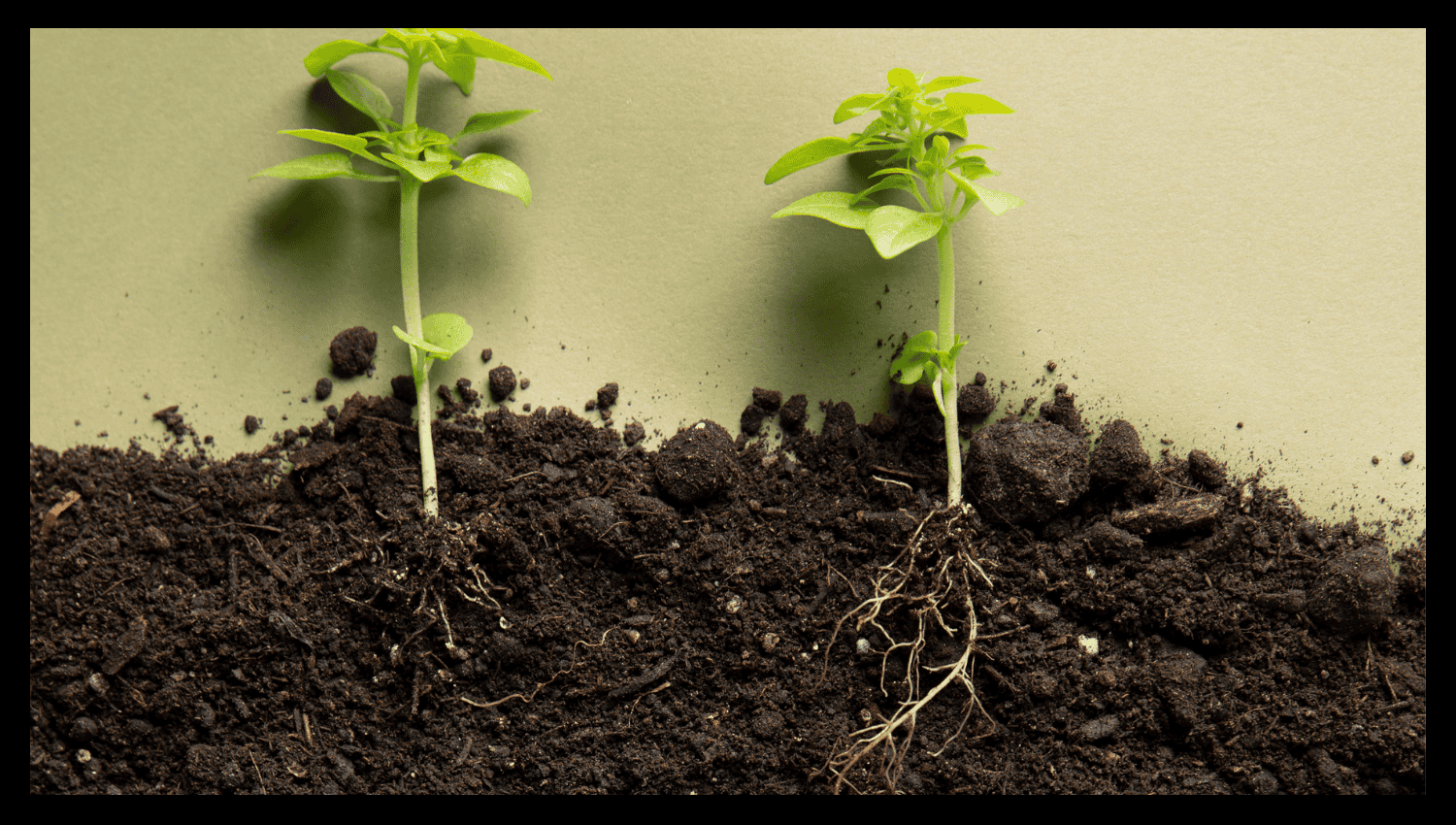
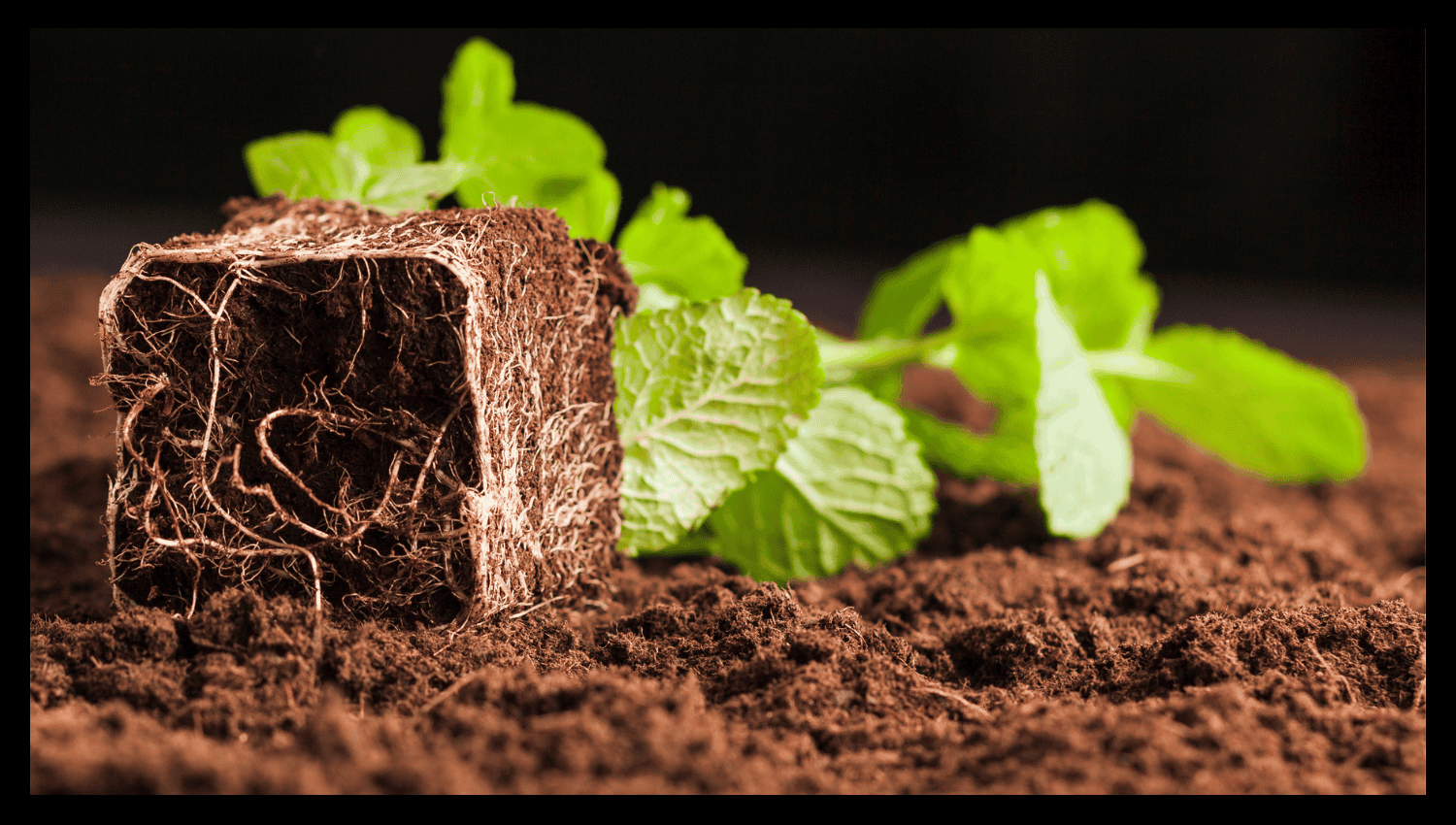
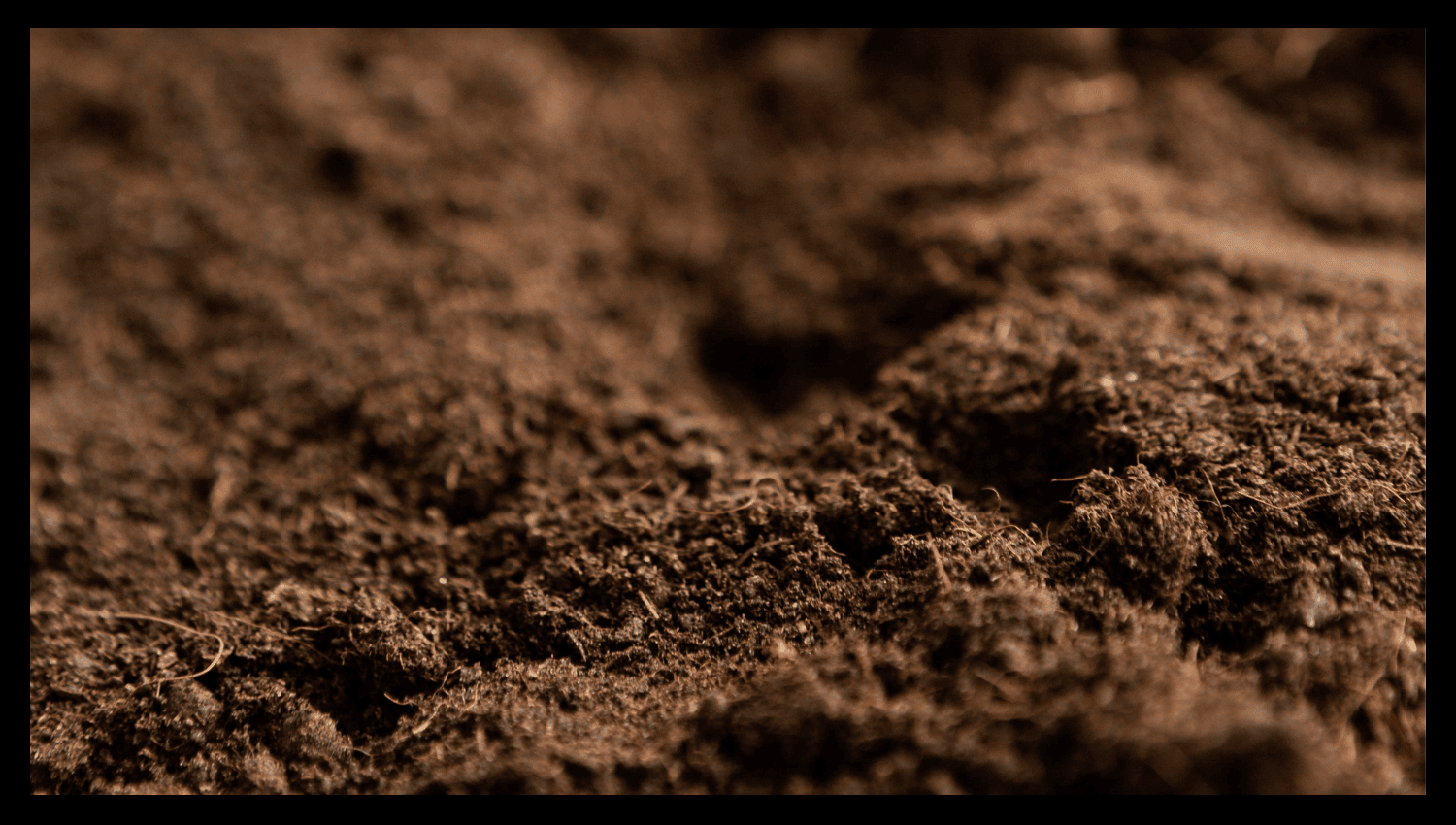
Super soil in concentrated form combines organic compost with minerals and natural soil additives. Each plant in this mix receives all the nutrients it needs to succeed. The soil maintains permanent fertility when used without applying synthetic fertilizers. This type performs optimally as a raised bed and container soil mix. The various components of this mixture deliver targeted advantages to enhance plant health. The mix preserves water, provides nutrients to roots, and enhances the soil ecosystem. Gardeners usually make super soil ahead of time to initiate microbial activity. The proper concentration of super soil ingredients forms an independent growing environment that produces healthy strong plants.

Table of Contents

What are the Key Components of Concentrated Super Soil?

The following are the 3 essential components found in concentrated super soil:

  1. High Organic Matter Content
  2. Nutrient-Dense Amendments
  3. Soil Conditioners

High Organic Matter Content

Organic matter functions as the essential base of concentrated supersoil. A mixture of compost with worm castings and plant residues makes up organic matter content. Moisture retention together with the cultivation of helpful microorganisms improves through the addition of these elements. The addition of organic materials creates better soil structure control. The system provides continuous nourishment to the root area. The biological system of living soil acts as both a health promoter for plants and a long-term fertilizer system.

Nutrient-Dense Amendments

The combination of kelp meal together with fish meal, bone meal and rock dust creates concentrated super soil. Positive plant development depends on these materials because they provide necessary nitrogen phosphorus potassium trace elements to the soil. The different nutrients actively support the development of roots and all stages of plant growth. Slow-release amendments provide steady nourishment. The combination of nutrients maintains a proper diet for plants to thrive throughout their development cycle.

Soil Conditioners

The use of perlite, pumice, and coco coir as soil conditioners enhances air circulation while improving water Runoff. The materials stop soil compaction while permitting oxygen to get through to plant roots. The materials help maintain moisture balance. Soil conditioners preserve a crumbly loose texture in the soil environment. The maintenance of microbial health along with deep penetrating roots occurs because of this condition.
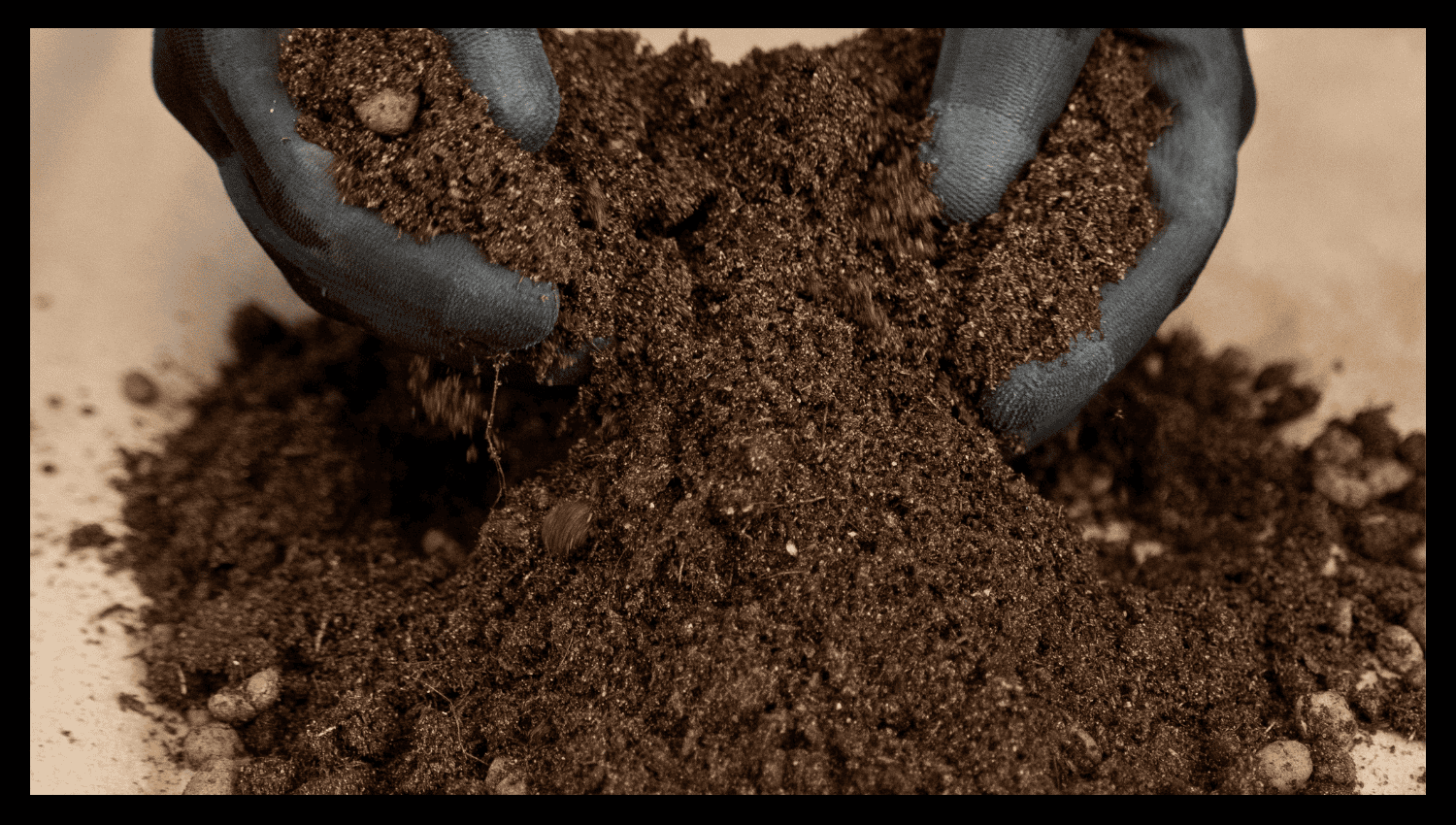
Compenents of Concentrated Super soil

What are the Best Practices for Using Concentrated Super Soil?

The following are 3 best practices for using concentrated super soil effectively:

  1. Layering Concentrated Soil at the Bottom of Containers
  2. Using Regular Potting Mix on Top to Protect Roots
  3. Watering and Feeding Practices After Planting

Layering Concentrated Soil at the Bottom of Containers

Put the concentrated mix beneath the pot’s base or in the bed’s foundation. A layer of this mix placed below the roots protects them from powerful nutrients. The technique permits plants to sink roots into this rich layer through time. The bottom layer acts as a long-term nutrient source. The design sees improved root attachment and ensures plants absorb nutrients equally throughout their entire life cycle.

Using Regular Potting Mix on Top to Protect Roots

Regular potting soil serves as a protective layer over the concentrated base. The upper layer shields new roots from receiving too many nutrients. The protective barrier lets root systems adapt before reaching the well-fertilized lower layer. This upper layer of mix ensures proper initial plant development. The top layer controls water flow and enables a controlled absorption of nutrients.

Watering and Feeding Practices After Planting

Even moisture levels in the soil become essential to activate microbes. Maintain moist soil conditions without allowing either drying or waterlogging. Moist soil helps roots obtain available nutrients. Water thoroughly but with control. Check your plants’ reactions to decide on an appropriate watering schedule. Plants receive continuous nutrition and strong root development when moisture levels remain balanced which leads to optimal health.

What are the Benefits of Concentrated Super Soil?

Here are the 3 major benefits of using concentrated super soil in gardening:

  1. Long-Term Nutrient Supply for Plants
  2. Reduced Need for Additional Fertilizers
  3. Improved Soil Health and Microbial Activity

Long-Term Nutrient Supply for Plants

A well-concentrated super-soil system maintains a continuous supply of nutrients. The nutrient delivery lasts through multiple weeks to months. Natural slow-release components supply the soil with nutrients for a prolonged time. The controlled release of nutrients minimizes dramatic variations in nutrient supply. Long-term feeding supports consistent growth. The combination of nutrient-rich soils creates a base where plants grow better roots and darker leaves and produce higher yields.

Reduced Need for Additional Fertilizers

The use of concentrated super soil helps plants require fertilization less often. Plants require all necessary cycling nutrients because the mix contains integrated fertilizers. Organic amendments undergo gradual degradation while supplying nutrients to plants. This saves time and money. The system minimizes the likelihood of excessive fertilizer use. This fertile soil condition requires minimal maintenance and external inputs as time passes.

Improved Soil Health and Microbial Activity

Soils increased with organic material increase microbial life activity. Healthy microorganisms change organic material into nutrients that plants can absorb. Organic materials protect the roots while together helping plants obtain nutrients from the soil. Soil structure improves when microbial activity increases. The living soil transforms into an increasingly resistant habitat that produces year-round beneficial conditions for growth.

Dolomite Lime: Definition, Types & Benefits

Dolomite Lime

Dolomite lime which results from grinding limestone largely contains calcium carbonate and magnesium carbonate as its mineral components. The mineral blend works to change soil acidity levels while adding important minerals to the ground. Potato and vegetable plant growth is enhanced when landowners apply dolomite lime for soil acidity neutralization. Soil structure develops better while using dolomite lime which helps better access to nutrients. There are two general variations of dolomite lime: powdered and granular. Both offer slow-release benefits. The magnesium in dolomite lime helps plants in making chlorophyll, while calcium builds strong cell walls. Dolomite lime enhances the function of mixed organic and super soil systems.

Table of Contents

What are the Benefits of Dolomite Lime in Super Soil?

The following are the 3 main benefits of using dolomite lime in super soil:

  1. pH Adjustment for Optimal Plant Growth
  2. Providing Calcium and Magnesium to Plants
  3. Enhancing Nutrient Uptake and Soil Fertility

pH Adjustment for Optimal Plant Growth

The application of dolomite lime creates stable pH conditions within soil which promotes plant health. Plants absorb nutrients more efficiently while microbial life flourishes and the roots become stronger in balanced pH conditions. The ideal growth environment for plants develops within this zone. Nutrient absorption is enhanced by better pH conditions, resulting in beautiful leaf growth and nutritious plants.

Providing Calcium and Magnesium to Plants

Dolomite lime supplies plants with both essential nutrients calcium and magnesium. Plant cell walls and roots become stronger because of calcium. Plants use magnesium for enzymatic activity during photosynthesis. The combined action of minerals strengthens plants while simultaneously improving the state of the soil. A continuous discharge of nutrients leads to extended fertility and stronger crops.

Enhancing Nutrient Uptake and Soil Fertility

Dolomite lime creates better nutrient absorption by breaking down hard soil while also activating microbiological activity. Healthier microbes enhance nutrient cycling. The substance enhances plant root access to water and nutrients. Plants perform better while maintaining sustainable fertility levels. Using dolomite lime construct durable soil foundations to sustain super soil mixtures.

Types of Dolomite Lime

What are the Types of Dolomite Lime for Super Soil?

Here are the 3 main types of dolomite lime used in super soil:

  1. Ground Dolomite Lime
  2. Pelletized Dolomite Lime
  3. Hydrated Dolomite Lime

Ground Dolomite Lime

Ground dolomite lime exists as fine crushed particles which offer rapid performance due to its fast action. The substance dissolves effortlessly with soil components so it adjusts pH levels quickly. Its fine particles enable consistent spreading across surfaces. Dolomite lime works best as a pre-mix component when preparing soil for planting. It provides quick mineral availability and improved nutrient absorption without changing the soil structure.

Pelletized Dolomite Lime

The pelletized format of dolomite lime makes it simple to distribute because it contains compact granules. The product works efficiently in both container and raised bed gardening because it minimizes dust and creates less mess. These slow-dissolving pellets provide a lengthy availability of minerals. The pellets move nutrients within controlled timeframes at regular pH levels while avoiding the sudden inflow of minerals during the process.

Hydrated Dolomite Lime

When used as hydrated dolomite lime, it reacts quickly to provide minerals right away. Due to its powerful reaction it needs special handling. The form provides a quick solution to restore acidity levels in soil. This form functions most effectively when applied as tiny amounts to prevent excess application. This substance boosts beneficial microbial communities, which enhance plant growth.

How to Incorporate Dolomite Lime into Super Soil?

Here are the 3 ways to incorporate dolomite lime effectively in super soil:

  1. Correct Application Rates Based on Soil pH Testing
  2. Mixing Dolomite Lime with Other Base Components
  3. Application Techniques for Raised Beds and Containers

Correct Application Rates Based on Soil pH Testing

Test soil pH before application. Apply 1–2 tablespoons of dolomite lime for every gallon of acidic soil. The correct dosage helps avoid both nutrient blockage and excessive application. Soil pH tests provide essential information for the correct delivery of minerals. A proper dosage of the material helps maintain constant plant health while maintaining the soil structure. The mixing technique prevents excessive calcium or magnesium from assembling within the mixture.

Mixing Dolomite Lime with Other Base Components

Dolomite lime needs to be evenly distributed throughout a mix of compost, topsoil, and peat moss. The purpose of uniform mixing is to prevent pockets where pH may become unstable. Dolomite lime promotes uniform distribution of minerals across the entire soil area. The integration of this method leads to better root growth while improving the intake of nutrients from the soil. The complete mixture of components results in both stable and fertile super soil blends.

Application Techniques for Raised Beds and Containers

Add dolomite lime to the top levels before you mix it throughout the depth of 4 to 6 inches. Add this matter to your planting soil mixture just before putting plants into containers. Nutrients travel down to roots when we apply this strategy with regularity. Soil structure in overcrowded gardening areas benefits through this method as plants better absorb calcium and magnesium.

What are the Best Practices for Using Dolomite Lime in Super Soil?

The following are the 3 best practices for using dolomite lime in super soil:

  1. Regular Monitoring of Soil pH Levels
  2. Using Dolomite Lime in Combination with Other Amendments
  3. Avoiding Overuse to Prevent Calcium and Magnesium Imbalance

Regular Monitoring of Soil pH Levels

Regularly check your soil pH levels to monitor the balance. Digital meters or strips serve as tools to measure acidity levels in your garden. Testing soil helps managers detect and control overuse while maintaining all available nutrients. Balanced pH enhances nutrient efficiency. The periodic examination ensures optimal root development along with balanced microbial thriving within super soil gardens.

Using Dolomite Lime in Combination with Other Amendments

Use dolomite lime to mix with compost or combine it with worm castings and fish meal. Using these amendments creates better conditions for vitamins and microbes to function properly. When these amendments work together encompassing the mix they create a rich foundation with excellent structure. Organic matter combined with Dolomite lime creates a rich growing medium that supports plant health.

Avoiding Overuse to Prevent Calcium and Magnesium Imbalance

Excessive application of dolomite lime in the soil can create unbalanced mineral concentrations. The presence of calcium or magnesium in high levels prevents plants from absorbing essential nutrients. Stick to tested application rates. Soil structure becomes disrupted and plant performance decreases due to excessive dolomite lime use. Controlled amounts maintain nutrient harmony. It helps improve soil health and plant growth while avoiding regular damage.

Rock Dust: Definition, Types & Benefits

Rock Dust

Grinding rocks into small particles produces rock dust as a natural soil additive. The powder consists of minerals and trace elements that restore drained soils. Rock dust exists in three main varieties, which include basaltic types, granite minerals, and glacial rock powder. The gradual nutrient release from these specific rock dust substances leads to long-term improvement of soil structure. Rock dust promotes the activity of microorganisms in the soil and enhances plant defensive systems. The roots of plants grow better using rock dust to create healthier vegetation across the entire soil depth. The substance stops leaching while safeguarding from plant burns, unlike traditional synthetic fertilizers. Including rock dust in super soil mixes extends the lifespan of plant soils. Soil health support from environmentally friendly methods becomes clear in its maintenance processes.

Table of Contents

What are the Benefits of Rock Dust in Super Soil?

The following are the 3 key benefits of using rock dust in super soil:

  1. Adding Trace Minerals and Micronutrients
  2. Improving Soil Structure and Fertility
  3. Enhancing Root Health and Plant Growth

Adding Trace Minerals and Micronutrients

Rock dust contains three essential trace minerals which include calcium magnesium and iron. Plant metabolism functions better and cells develop healthily when micronutrients are available. Rocks deliver their minerals into soil at a slow pace whereas synthetic additives provide fast mineral absorption. The soil benefits from improved microbial functioning through rock dust application. Soil fertility improves when minerals are added because the structure stabilizes.

Improving Soil Structure and Fertility

Soil rock dust improves drainage and maintains sufficient water storage when applied to soil. When soil contains rock dust the pressure on the soil decreases which enables better access to nutrients and air for root systems. Plants that develop robust root systems obtain better access to nutrients which strengthens their anchoring system. The application of rock dust leads to enhanced growing conditions for organic and deep-rooted vegetation. Soil health continues to improve because rock dust application extends across multiple seasons.

Enhancing Root Health and Plant Growth

Plants develop stronger characteristics and better root health because of an ongoing process of mineral nutrients provided by rock dust. The health improvement of roots enhances their ability to absorb substances effectively while achieving better anchorage. Strong roots lead to more robust development in stems and leaves which leads to higher yields. Plants that receive rock dust treatment show better resistance to various forms of stress. The mineral-rich environment of rock dust allows vegetables and herbs to share space with flowering plants.

Types of Rock Dust

What are the Types of Rock Dust for Super Soil?

Here are the 4 main types of rock dust commonly used in super soil blends:

  1. Azomite (Volcanic Ash)
  2. Glacial Rock Dust
  3. Basalt Rock Dust
  4. Granite Rock Dust

Azomite (Volcanic Ash)

The volcanic ash rock dust known as Azomite contains numerous different trace minerals within its composition. The mineral mix includes more than 70 trace elements which include zinc, boron, and molybdenum. When this supplement is used on plants it leads to better stress-resistance coupled with increased overall plant vitality. Azomite also boosts microbial activity. The dust particles in Azomite volcanic ash create a smooth texture that allows easy blending with both soil and compost blends.

Glacial Rock Dust

Glacial erosion produces rock dust when glaciers move and crush solid rocks to create a powdered substance. This product obtains a rich variety of minerals through various geological rock types. Soils activated by biological substances obtain essential nutrients through the presence of different mineral components in these substances. Glacial dust produces the best results when used on soil that suffers from degradation. The application provides permanent fertility gains to soils without delivering excessive nutrients that could harm plants.

Basalt Rock Dust

Basalt rock dust consists of high levels of silica with additional iron content alongside calcium and magnesium minerals. The product helps roots grow deeper while creating advantageous environments for soil microorganisms to flourish within the system. Plant cell wall development increases due to basalt which strengthens overall plant structures. Vegetable and fruit growth receives support from this product’s dense mineral content. Basalt dust integrates well into compost combined with topsoil to create an enhanced rich soil base.

Granite Rock Dust

Granite rock contains a high potassium ratio while also containing multiple trace elements within its mineral structure. This substance delivers its nutrients at a controlled pace that enables prolonged soil conditioning work. The substrate sustains plant production specifically during flowering and fruiting phases. This substance works to reduce the acidic qualities in the soil. Soil enhancement through granite dust occurs primarily because of its textured nature together with its traditional use with other soil materials.

How to Incorporate Rock Dust into Super Soil?

The following are practical ways to incorporate rock dust in super soil:

  1. Proper Mixing Ratios with Other Base Components
  2. Applying Rock Dust in Raised Beds or Containers
  3. Best Application Times for Rock Dust

Proper Mixing Ratios with Other Base Components

The application rate of rock dust needs to be 1 to 2 cups for every cubic foot of soil mix. Blend rock dust properly with compost, topsoil, and organic matter by mixing everything evenly. Soil minerals become accessible to plant roots whenever they exist in uniform distribution throughout the ground layer. The proper distribution of mixture across the plants creates uniform growing conditions that shield them from harmful substance interferences for each season.

Applying Rock Dust in Raised Beds or Containers

Apply the rock dust by distributing it evenly across raised beds or by mixing it directly into container soil. To obtain the best results work the rock dust into the soil at a depth spanning from 4 to 6 inches. The quick delivery of nutrients to the root area becomes possible through this method. Rock dust application serves both soil health improvement and directly benefits plant development. Crops grown in limited areas benefit from the slow mineral content release provided through rock dust.

Best Application Times for Rock Dust

The best time to add rock dust is during soil preparation and between planting seasons. The Russian environment supports microbial processes which require time to release nutrients. Rock dust applications facilitate the decomposition speed of compost materials. The earliest application time produces the best nutrient delivery. The application of rock dust multiple times benefits plant structures together with the stability of soil framework at different growth stages of plants.

What are the Best Practices for Using Rock Dust in Super Soil?

Below are the 3 best practices for maintaining balance when using rock dust:

  1. Avoiding Overuse of Nutrient Balance
  2. Regular Monitoring of Soil pH and Nutrient Levels
  3. Combining Rock Dust with Organic Amendments

Avoiding Overuse of Nutrient Balance

The application of too much rock dust changes both soil nutrient values and its natural pH levels. Measures rock dust precisely during product mixing procedures alongside other fertilizer materials. The use of extremely large amounts of rock dust leads to reduced microbial activity and reduced nutrients in the soil. A proper moderate application of rock dust maintains soil health by avoiding plant damage. Long-term fertility retention and the excess of unused minerals occur through correct rock dust application protocols.

Regular Monitoring of Soil pH and Nutrient Levels

Soil pH changes due to rock dust depend on what minerals exist in the rock dust material. You can monitor pH and nutrient levels in soil with the help of testing kits each time you make amendments. You can adjust your soil mix through ongoing observation of its changes. A balanced pH enables plants to maximize their nutrient intake. The combination of rock dust with fertilizers produces rapid plant growth that increases the cultivation period and generates better agricultural outputs.

Combining Rock Dust with Organic Amendments

When rock dust treatment pairs with organic materials including compost, worm castings, and fish meal it achieves its greatest impact. Rock dust needs biological activation through organic amendments before its minerals become available for use. Rock dust binding with organic compounds enhances ecosystem nutrient cycling functions which benefit root system health. The soil mix becomes fertile and adjusts for microorganisms through their combined efforts. Different plant varieties and sustainable harvest practices develop an ideal growth environment for vegetation.

Fish Meal: Definition, Types & Benefits

fish meal

Fish meal represents an organic fertilizer that results from processing dried fish and their remains. Fish meal contains high levels of nitrogen combined with phosphorus and trace minerals, which together create an excellent fertilizer for plant development. Two main types of fish meal exist for agricultural purposes: whole fish products and processed fish remains. Fish meal functions as a fertilizer that helps root growth while it improves soil quality and activates microorganisms in the soil. The fertilizer breaks down slowly, which delivers stable nutrition to the soil. The fertilizer improves both plant health and crop yield quantities. Fish hydrolysate combines natural origins with balanced nutrients to create an organic and super soil blend ingredient that provides long-term plant support.

Table of Contents

What are the Benefits of Fish Meal in Super Soil?

The following are the 3 main benefits of adding fish meal to super soil:

  1. High Nutrient Density and Protein Content
  2. Slow-Release Nitrogen for Steady Plant Growth
  3. Supporting Root and Overall Plant Development

High Nutrient Density and Protein Content

The composition of fish meal includes significant quantities of nitrogen in addition to phosphorus and various trace elements. Fish meal provides the essential amino acids needed to develop microbial life in soil environments. Plants benefit from the dense nutritional content provided by fish meal to develop strong structures, while the soil quality improves. Because fish meal is a natural product, it makes a good organic fertilizer for gardeners. Fish meal enhances plant durability while building natural growth conditions that need less treatment.

Slow-Release Nitrogen for Steady Plant Growth

The breakdown process of fish meal provides gradual nitrogen release over time. The slow nutrient discharge enables plants to develop quickly without damaging them. Fish meal buffers nutrient supplies through plant stages because its decomposition pattern delivers a slow release of nutrients. The fertilizer provides nutrients to beneficial microorganisms, which change them into forms accessible to plants. A long-term benefit of fish meal usage results in reduced nutrient wastage and better overall plant health in gardens and containers.

Supporting Root and Overall Plant Development

A fish meal’s phosphorus and trace minerals ensure the development of early roots and stronger plant structures. A root system in good health helps ideal water intake and better absorption of essential nutrients. The nutrient profile in fish meal enhances both leaf formation and increases flower development potential. The nutrient combination in fish meal promotes complete plant health, which establishes strong roots at the bottom. The solution proves advantageous for cultivating vegetables with herbs along with flowering plant varieties.

Types of Fish Meal

What are the Types of Fish Meal for Super Soil?

Below are the 3 main types of fish meal used in super soil mixes:

  1. Finely Ground Fish Meal
  2. Fish Bone Meal
  3. Hydrolyzed Fish Meal

Finely Ground Fish Meal

The grounded fish scraps and whole fish components form this fish meal type into a fine powder. The product incorporates without trouble into traditional ground material while slowly transforming into soil minerals. The product’s texture ensures the smooth spreading of nutrients across the entire soil area. The finely processed fish meal supplies abundant nitrogen-rich nutrition to the soil when used as an additive. The product finds regular applications in organic blends for soil improvement.

Fish Bone Meal

The production process for fish bone meal involves complete cleaning and grinding of fish bones. The phosphorus and calcium content of fish bone meal enables it to be ideal for the growth stages of roots and flowers. This product shows effective results in soils used for fruiting and flowering plants. The extended breakdown duration allows phosphorus levels to stay stable. The cell walls of plants remain strong while they develop better environmental resistance through the use of fish bone meal.

Hydrolyzed Fish Meal

The enzymes process fish meal through hydrolysis to preserve essential nutrients within the product. The substance delivers rapid nutrient availability that matches fish meal performance and maintains its organic nature. The processed fish meal preserves more amino acids, combined with micronutrients. This organic product exists in liquid and semi-moist forms during application. Hydrolyzed fish meal delivers instant and long-term benefits to plant development across various super soil usage scenarios.

How to Incorporate Fish Meal into Super Soil?

The following are the 3 ways to incorporate fish meal effectively in super soil:

  1. Proper Mixing Ratios with Other Components
  2. Application Techniques for Different Plant Types
  3. Using Fish Meal in Container Gardening and Raised Beds

Proper Mixing Ratios with Other Components

Add fish meal into the total soil mix at a rate ranging from 2% to 5% by volume. Mix fish meal with compost, topsoil, and coco coir to achieve an ideal base ratio. Mix fish meal only to the recommended level since higher amounts may result in excessive nitrogen. Fully blend the mixture until all components remain uniform. The combination of ingredients must match plant requirements while maintaining soil stability through balanced protection.

Application Techniques for Different Plant Types

Herbs need reduced fish meal application because they have lighter feeding requirements, but tomatoes require heavier amounts for optimal growth. Apply fish meal to planting soil by blending it with the ground before planting or spreading it as a top coat for existing plants. It is important to place the soil application carefully to avoid direct contact with the plant stems. The application technique helps minimize nutrients that go to waste while simultaneously maximizing the efficiency of the root zone.

Using Fish Meal in Container Gardening and Raised Beds

The upper section of soil in containers and raised beds has fish meal added at a depth of 4 to 6 inches. Improved results become possible by mixing fish meal with compost and organic material blends. The distribution of nutrition remains constant across growing seasons when this approach is used. The method provides sustained nutrition to small soil areas due to its controlled release mechanism. When using fish meal, it enhances plant health in areas where space is restricted.

What are the Best Practices for Using Fish Meal in Super Soil?

Here are the 3 best practices for using fish meal in soil mixes:

  1. Monitoring Nutrient Levels and Soil pH
  2. Using Fish Meal as Part of a Balanced Soil Recipe
  3. Incorporating Organic Matter for Optimal Results

Monitoring Nutrient Levels and Soil pH

High quantities of fish meal consumption affect soil pH levels. Routine tests enable the maintenance of proper environmental conditions needed for plant development. Soil test kits and pH meters help users verify levels after delivering the fish meal application. A suitable soil pH level guarantees nutrients stay accessible to plant roots. Regular observation allows for preventing excessive nutrient supply while maintaining conditions where both microbial life and roots flourish efficiently.

Using Fish Meal as Part of a Balanced Soil Recipe

Add fish meal to your planting mix by incorporating it with kelp meal and bone meal along with compost. The complete delivery of nutritional resources to plants is guaranteed by this practice. The combination of ingredients in a balanced recipe ensures each plant nutrient maintains a suitable balance. Plants with layered organic substances build strong roots while building better texture in the soil. The systematic application of fish meal results in healthier plant growth, which produces increased seasonal productivity.

Incorporating Organic Matter for Optimal Results

A mixture of fish meal needs to be combined with compost, aged manure, or worm castings. Organic matter serves as an essential habitat for microorganisms helping nutrients to recycle better. The combination between fish meal and other components enhances the accessibility of nitrogen and phosphorus. The soil quality improves when roots obtain better access to nutrients through good aeration and enrichment. Soil amendment regularly maintains soil fertility while avoiding the collection of unused compounds.

Top Soil: Definition, Types & Benefits

Top Soil

The topsoil layer exists at the soil surface level because it contains essential nutrients along with organic matter. Plants thrive in this substance, and it functions essentially in horticultural activities and agricultural maintenance. These soil types include sandy soil, clay soil, silty soil, and loamy soil. The drainage capabilities and texture, as well as fertility aspects, distinguish each type from one another. The soil at the surface helps roots grow better and saves water while building up the soil framework. Microbial populations increase through their application, and it helps control soil erosion. High-quality topsoil produces stronger plant growth and enhances production yield. The soil provides basic care for healthy plants and sustains soil productivity throughout the years.

Table of Contents

What are the Benefits of Top Soil in Super Soil?

The following are the 3 key benefits of using topsoil in super soil mixes:

  1. Nutrient-Rich Base for Plant Growth
  2. Providing Essential Minerals and Trace Elements
  3. Improving Soil Structure and Stability

Nutrient-Rich Base for Plant Growth

A topsoil with a high organic matter content provides an excellent foundation for plants. The substance helps seeds start from their dormant state and enables root systems to extend their reach. Microbes within the natural composition of topsoil help nutrient breakdown through their activities. The texture of this material allows water absorption and allows free air exchange. Plants thrive under this balanced environmental condition for their healthy development.

Providing Essential Minerals and Trace Elements

Topsoil holds essential mineral compounds which include calcium together with potassium, phosphorus, and magnesium. Plant metabolism, cell growth, and strength development depend on these essential elements. Plant health receives beneficial support from both essential trace elements including iron and zinc. Soil fertility becomes enhanced by mineral content which allows the growth of multiple plant species. The availability of balanced minerals delivers steady nourishment from the beginning to the end of plant growth.

Improving Soil Structure and Stability

Topsoil enhances super soil structure through its ability to enhance both weight and texture. The structure of super soil improves as the topsoil combines loose forms of compost and coco coir into one solid combination. The mix maintains stability during water and air passage. The structure of properly blended soil mixes works as a defense against erosion and minimizes water draining from the surface. The structure helps roots reach evenly across the growth area and sustains healthy soil performance in the long run.

Types of Top soil

What are the Types of Top Soil for Super Soil?

Here are the 3 types of topsoil commonly used in super soil:

  1. Natural Top Soil
  2. Blended Topsoil (with Amendments)
  3. Loamy vs. Sandy Top Soil

Natural Top Soil

Natural topsoil consists of decomposed plant matter, which combines with earth minerals and microorganisms. The characteristics of this material differ from one location to another although it normally contains strong fertility levels and organic content. The raw form of this topsoil serves as a foundational material that blends well with other supplementary components. The substance helps natural microbial activity while providing strong base support for super soil mixes.

Blended Topsoil (with Amendments)

Organic materials can be combined with natural soil in blended topsoil, including compost, peat, and old manure. Soil nutrients become more accessible while the texture becomes enhanced through these organic additives. The screening process for blended soil focuses on both quality assessment and uniformity. Such medium provides the right amount of equilibrium for plant development while maintaining soil hydration. Gardeners who want an optimized and instantly usable potting mix choose this soil type.

Loamy vs. Sandy Top Soil

Topsoil, which is categorized as loamy, contains an ideal combination of sand together with silt, and clay. This type of topsoil has a good ability to retain nutrients and functions as a reliable draining medium. Sandy topsoil drains rapidly while it warms swiftly, yet plant nutrients need regular replacement. Different conditions require either type of topsoil based on plant requirements and environmental factors. Both materials, when added to super soil, enhance its texture while improving air circulation to help plants grow better.

How to Incorporate Top Soil into Super Soil?

The following are practical methods to incorporate topsoil into Super Soil:

  1. Proper Mixing Ratios with Other Base Components
  2. Layering Topsoil in Raised Beds or Containers
  3. Preparing and Screening Topsoil for Use

Proper Mixing Ratios with Other Base Components

Apply topsoil at a proportion of 30% to 40% of the entire soil blend. Mix topsoil with compost, coco coir, and other organic compost amendments. A suitable ratio allows the mixture to maintain proper structure, although it stops short of being soil compacted. A uniform mixture between components exists as the fundamental requirement for uniform fertilizer distribution. It is necessary to stay away from using dense clay dirt, which causes limited drainage and airflow when mixed with other substances in the soil.

Layering Topsoil in Raised Beds or Containers

Raised beds and containers are excellent foundations for topsoil when they are filled with soil. Place this layer underneath compost combined with lighter organic materials to ensure drainage for roots during their growth period. The structure maintains root stability while blocking the collection of water at the container bottoms. Soil health benefits from consistent layering, which leads to fewer replacement and adjustment requirements of the soil composition.

Preparing and Screening Topsoil for Use

The topsoil needs to be screened before mixing to remove rocks, trash, and large lumps. The blending process becomes more uniform and roots show better contact through soil with fine texture. The best results occur when the materials are dry before mixing and screening procedures. A proper preparation process yields a clean material that mixes properly with compost while incorporating other additives. Soil quality gets better while raised bed compaction remains at bay through this preparation process.

What are the Best Practices for Maintaining Top Soil in Super Soil?

The following are the 3 best practices for keeping topsoil effective in super soil mixes:

  1. Adding Organic Amendments Regularly
  2. Monitoring Soil pH and Nutrient Levels
  3. Avoiding Compaction and Overuse

Adding Organic Amendments Regularly

Organic materials like compost, worm castings, and leaf mold help maintain soil fertility. Adding them every few weeks keeps the topsoil active and rich in nutrients. These materials support beneficial microbes and improve texture. Constant amending also helps balance moisture retention and aeration. This practice ensures stable plant growth and healthier root environments over time.

Monitoring Soil pH and Nutrient Levels

Regular testing of pH and nutrient levels helps maintain balance in topsoil mixes. It is preferable for most plants to grow in a slightly acidic to neutral range. Use simple soil kits or meters to check readings. Imbalanced pH can block nutrient uptake and harm plant health. Monitoring ensures that minerals remain available and the soil stays productive throughout each season.

Avoiding Compaction and Overuse

Walking on garden beds or overwatering can compress topsoil, limiting airflow and root movement. You can protect soil structure by creating pathways and stepping stones. Avoid repeated digging in the same spots. Lightly loosening the top layer occasionally maintains porosity. Preventing compaction keeps water moving efficiently and allows roots to grow freely within the soil mix.

Coco Coir: Definition, Types & Benefits

Coco Coir

Coco coir represents a natural fiber derived from processing coconut husks. The material functions as a sustainable growing base for both gardening and hydroponic operations. The fibrous material weighs lightly while it maintains its porous nature and retains water efficiently. The primary coco coir varieties include coco peat, coco fiber, and coco chips. Each display of coir provides different support for developing roots. Coco coir provides excellent soil aeration and drainage capacity, which concurrently minimizes the risk of excessive watering. Coco coir has better pest resistance and a longer lifespan than traditional soil. This environmentally friendly substrate enables plant health while being employed instead of conventional soil for cultivation purposes. The growers worldwide chose this substrate because of its uniform structure, together with its well-maintained pH level.

Table of Contents

What are the Benefits of Coco Coir in Super Soil?

The following are the 3 main benefits of using coco coir in super soil:

  1. Enhancing Water Retention and Drainage
  2. Improving Aeration and Root Development
  3. Sustainable and Eco-Friendly Option

Enhancing Water Retention and Drainage

The water retention capacity of Coco coir functions effectively together with its drainage characteristics. The balance protects plants from waterlogging and protects roots from rotting. The plant roots benefit from a healthy environment because the fibrous structure of coco coir lets water and air flow through. Coco coir serves as an alternative to compacted soils because it provides steady moisture levels to roots even in climates with hot or dry conditions. Its application suits aquatic plant environments effectively.

Improving Aeration and Root Development

Plants benefit from better root oxygen access when growing in the airy framework that coco coir creates. The porous structure enables higher microbial action which drives healthy root development. The fibrous quality of coco coir creates a barrier against soil compaction which allows growing roots to develop freely. Coco coir-based roots develop into strong plants which better absorb essential nutrients from dense or clay-rich soils.

Sustainable and Eco-Friendly Option

The coconut husk origin of coco coir establishes it as a sustainable resource that eventually rots. The sustainable material is considered to be a better eco-friendly replacement for peat moss due to its quick regeneration time. Coco coir manufacturing produces agricultural waste products into useful materials to lower the environmental impact. Organic gardeners, together with eco-aware cultivators, choose coco coir for its sustainability because it helps them decrease their carbon emissions.

Types of Coco Coir

What are the Types of Coco Coir Products for Super Soil?

Here are the 3 types of coco coir products used in super soil blends:

  1. Coco Coir Bricks and Blocks
  2. Pre-Soaked Coco Coir
  3. Coco Coir Chips and Shredded Coco Coir

Coco Coir Bricks and Blocks

Coco coir bricks and blocks exist as compressed materials, which simplify both storage and transportation. The bricks or blocks increase in size to a soft mass when placed in water for use as growing media. Coco coir bricks suit large-scale operations because they offer economical solutions for blending soils. The packed form of coco-coir bricks and blocks works best for bulk mixing in super soil blends due to stable performance and effortless handling requirements.

Pre-Soaked Coco Coir

Coco coir bricks that have experienced pre-soaking can be implemented right away as growing material without additional water. Soil preparation becomes faster and easier after using these compressed materials, so they work excellently for small gardens and brief projects. The buffering process clears salts from this product, which enables better compatibility with other natural soil enhancers. The main benefit of pre-soaked options lies in their time-saving properties and uniform moisture retention levels.

Coco Coir Chips and Shredded Coco Coir

Coco coir chips, along with shredded coir, enhance the structural organization and breathability of blendable soil components. Coco Coir chips and shredded coco coir degrade periodically to enhance airflow in the soil while helping minimize soil compaction. The application of chips provides excellent results when used in large containers and raised beds. This material’s thick structure expands soil holes, which makes it suitable for improving drainage problems in compact soil over time.

How to Incorporate Coco Coir into Super Soil?

The following are 3 key methods to incorporate Coco Coir into Super Soil:

  1. Proper Mixing Ratios with Other Components
  2. Using Coco Coir in Container Gardening
  3. Rehydrating and Preparing Coco Coir for Use

Proper Mixing Ratios with Other Components

A proper super soil mixture requires coco coir to constitute 20% to 30% of the total blend. Crook coco coir by blending it with compost and worm castings and pumice while adding perlite. This composition maintains soil moisture content while distributing nutrients across the entire area without causing compaction. When components are mixed uniformly it results in a uniform soil range along with full root accessibility. The ratio be adjusted according to plant requirements together with regional climatic conditions.

Using Coco Coir in Container Gardening

When used in containers, Coco coir functions effectively because it drains water well while maintaining its airy structure. The material helps decrease water requirements while allowing roots to develop optimally within fast-growing areas. When coco coir is blended with container soil, it produces a loose, drainable growing medium. The space between roots remains unblocked during development, while the plants grow stronger in both pots and planters.

Rehydrating and Preparing Coco Coir for Use

The process of dry coco coir preparation requires soaking it with clean water while it becomes completely swollen. To recover a smooth texture, use your hands or a garden fork to gently fluff the material. The removal of excessive salts requires a thorough rinse for unbuffered coco coir. Coco coir, properly prepared, distributes evenly between compost and other components. The mixing procedure results in improved performance through better nutrient accessibility.

What are the Best Practices for Maintaining Coco Coir in Super Soil?

The following are 3 tips to keep coco coir functioning well in super soil.

  1. Monitoring pH Levels for Coco Coir Balance
  2. Combining with Other Organic Amendments
  3. Ensuring Proper Moisture Levels for Optimal Performance

Monitoring pH Levels for Coco Coir Balance

The pH value of coco coir exists between 5.5 and 6.5 making it suitable for most types of plants. The effectiveness of your soil mix depends on regular testing for pH level stability. Plant health together with nutrient absorption becomes impaired when imbalances occur. You can use pH meters and strips for measuring pH levels. You can maintain stability in an environment through pH adjustments using lime and acidic additives.

Combining with Other Organic Amendments

Worm castings and kelp meal or bone meal serve as suitable dry amendments together with compost when used with Coco coir. The additional materials enhance both nutrient density and microbial functions. The lack of nutrients in coco coir becomes valuable when used with organic materials which makes super soil more effective. The combined mixture enhances the soil structure and fertility levels and results in long-lasting positive effects on plant growth.

Ensuring Proper Moisture Levels for Optimal Performance

To inspect moisture levels you need to grab a small amount of soil mix and feel if it is wet but still stops short of dripping. The water retention quality of coco coir is high yet too much water causes the soil to become saturated. Hot weather conditions require the application of both mulch and cover crops to protect soil moisture. A hydration level just below saturation helps maintain root health to produce steady plant development across all seasons.

Compost: Types, Benefits & Best Practices

Compost

Soil receives beneficial nutrients through compost application, which enables the total number of microorganisms. Decomposed organic waste materials that include food waste, together with leaves and waste, create compost. Kitchen compost, together with green waste compost and vermicompost, constitutes three main categories of composting. Soil receives different support from each composting method, even though they all work to improve texture alongside fertility and moisture retention. Soil applications of compost support the development of strong root structures while lowering agricultural needs for synthetic plant nutrients. The right composting method requires alternating green colour layers with brown material layers, also with frequent turning and maintaining the right moisture balance.

Table of Contents

Compost Types

What are the Types of Compost for Super Soil?

The following are the main types of compost used in Super Soil:

  1. Homemade Compost
  2. Commercially Available Compost
  3. Compost Tea and Vermicompost

Homemade Compost

Homemade compost depends on the combination of food waste together with leaves and cut grass, and other garden materials. It decomposes automatically while it turns into a rich organic substance that contains nutrients. Composting this way brings new microbial species to create healthier soil conditions. The process naturally supports cycles of decomposition in the environment. Organic homemade compost functions successfully within both garden beds and raised plant containers as well as organic gardening schemes. The practice of turning the compost, combined with using balanced amounts of green and brown materials, helps keep compost quality high.

Commercially Available Compost

Commercial compost facilities create their product through heating processes while monitoring their inputs. The material used in commercial compost creates a mixture of yard trimmings, manure, and food waste. These materials pass quality inspections while personnel utilise screening techniques to separate potential debris. The material offers predictable nutrient content while remaining simple to spread. Many commercial products provide NPK value labels as part of their packaging. Homeowners who lack enough time or space for independent composting find this option an effective solution.

Compost Tea and Vermicompost

Plants receive their liquid feed through the process of soaking compost in water that produces compost tea. The solution provides simple nutrients and enhances the variety of soil microorganisms. The biological process behind vermicompost creation occurs when worms digest organic materials. The mixture contains enzymes, together with microbes, in addition to trace minerals. Soil life and root development continue to improve when using these two methods. These treatments need to be used alongside other methods instead of replacing bulk additives to improve soil structure.

Compost Benefits

What are the Benefits of Compost in Super Soil?

The following are the 3 main benefits of compost to Super Soil:

  1. Nutrient-Rich Base for Plant Growth
  2. Enhancing Soil Structure and Fertility
  3. Balancing pH Levels and Improving Microbial Life

Nutrient-Rich Base for Plant Growth

Plants receive essential nutrients through the contribution of nitrogen alongside phosphorus, and potassium, which are brought into the soil. The mixture contains essential trace minerals as well as organic acids also helpful for organisms. The slow release of nutrients from compost elements supports plants to grow healthily throughout the growing period. Soil health benefits from applications of compost because it avoids the disadvantages associated with synthetic fertilisers. The combination of nutrients and improved flower production occurs in vegetables without harmful effects on the delicate microbial environment.

Enhancing Soil Structure and Fertility

The aggregation of soil particles becomes better through the addition of compost. The water retention capabilities, together with the ability to enhance the soil aeration function through these aggregates. The feed of organic materials nurtures small living microorganisms that generate humus. The fundamental structure of root systems gains better long-term health through this process. The regular application of compost keeps soil structures aligned with optimal loam characteristics suitable for all major plant types. The improved surface cover, together with better cohesion, helps prevent soil erosion.

Balancing pH Levels and Improving Microbial Life

Soil acidity stabilises when using compost, which provides resistance to harsh pH value alterations. The conditions become suitable for microbial growth to blossom. The growth of helpful fungi and beneficial protozoa alongside bacteria occurs in soil containing compost. Organic matter decomposition with microorganisms allows them to cycle nutrients, stop diseases and break down organic matter. Through its application, compost helps reduce chemical traces in soil, which promotes organic farming procedures while maintaining the natural equilibrium of soil elements.

How to Incorporate Compost into Super Soil?

The following are methods to incorporate compost into Super Soil effectively:

  1. Proper Mixing and Ratios
  2. Layering Techniques for Raised Beds
  3. Using Compost in Container Gardening

Proper Mixing and Ratios

Mix compost with other Super Soil ingredients in a 30–40% ratio by volume. A high concentration of compost reduces air availability, though inadequate amounts result in restricted nutrient supply. Whenever you combine ingredients, microbes spread throughout the mixture. To achieve the right texture, add perlite together with peat moss and worm castings to your mixture. When following the correct ratios in your mix, the soil stays moist while maintaining proper drainage and keeping microbial movement active.

Layering Techniques for Raised Beds

The practice of layering compost works effectively for raised bed systems. Place the first layer of uncultivated organic materials at the bottom of the bed. Build compost particles into multiple soil strata with topsoil added together with soil amendments. Each individual layer supports the different soil functions. The placement of compost in the root zone area delivers necessary nutrients to plants. The process of layering should prevent the creation of compaction that might reduce aeration. The beds maintain the warmth while offering deep-rooted access because of their structured, multi-layered construction.

Using Compost in Container Gardening

The health of container plants improves when compost improves the quality of their growing soil. Add coco coir or potting mix to the compost to achieve better drainage while retaining water better. The independent use of compost should be avoided because it tends to create dense conditions. Containers benefit from compost, which enhances the utilisation of nutrients without requiring synthetic fertiliser materials. Regular refreshments of smaller compost volumes ensure the preservation of active microbial life in the compost.

What are the Best Practices for Maintaining Compost in Super Soil?

Here are the 3 best maintenance practices for compost in Super Soil:

  1. Regularly Adding Fresh Compost
  2. Monitoring Decomposition Levels
  3. Aerating the Compost Mix

Regularly Adding Fresh Compost

Fresh compost needs to be added every few months to keep nutrient and microbial contents fresh. Fresh material enhances the continuous organic processes within the compost. Regular compost replacement maintains the balance of soil conditions since compost naturally decomposes over time. The ideal finished compost smells like earth and contains no food waste matter. Apply the fresh compost distribution evenly across the upper part of the Super Soil base to achieve maximum benefits.

Monitoring Decomposition Levels

Check compost maturity before use. The finished product compares dirt that is both solid and earth-toned in appearance. Pests can be attracted to decompose incomplete materials, and they might also create issues with soil nutrient chemistry. The active process of composting requires regular checks of both temperature and moisture levels found inside the material piles. The decomposition process in Super Soil occurs more slowly, while constant observation enables you to detect signs of compaction alongside odours and dryness. Healthy compost dissolves smoothly into the soil structure while avoiding both texture irregularities and odour.

Aerating the Compost Mix

Aerobic microbes require oxygen as the main component to properly decompose compost into productive material. It is important to periodically aerate the compost mix inside your Super Soil. Keep away from deep tilling methods, which shred soil layers. Use a small fork or an aeration tool to reduce and spread the top layers through light flakes. The procedure maintains the activity of microbial processes while stopping compaction from forming. The aeration system provides better water drainage while establishing moisture equilibrium in compacted clay-heavy soils.

Super Soil Aeration: Benefits, Amendments & Tests

Super Soil Aeration

Super soil’s healthy root growth and active microbial life require proper aeration. The presence of loose, well-aerated soil helps oxygen extend to both root systems and beneficial microorganisms. Polluted environments from insufficient aeration result in dense soil that delays plant growth. Soil aeration becomes better when using perlite, pumice and coarse compost because these ingredients both increase air circulation and stop soil from becoming packed. The aeration levels of soil can be evaluated by conducting simple tests, like performing squeeze tests alongside water drainage observations. Aeration in balanced ratios creates a loose soil structure that also supports the cycle of nutrients and enhances overall plant health.

Table of Contents

aeration benefits

What are the Benefits of Aeration in Super Soil?

Below are the 3 main benefits of aeration in super soil:

  1. Oxygen Availability for Roots
  2. Supporting Microbial Activity
  3. Preventing Root Rot and Compaction

Oxygen Availability for Roots

Oxygen accessibility remains necessary for roots to carry out proper respiration functions. The proper amount of airflow in soil stops suffocation while simultaneously enhancing nutrient absorption. Soils that are dense and compact prevent air movement while reducing the root development ability. Root support comes from ingredients such as perlite and pumice that introduce air space. Gas exchange happens within these areas while deep root systems develop. Insufficient oxygen supply leads plants to weaken and display signs of stress. The health of plant roots remains protected when aeration is good across all growth stages.

Supporting Microbial Activity

The existence of aerated supersoil serves as an ideal environment for microbes to thrive. Organic matter decomposition processes depend on oxygen because beneficial bacteria, alongside fungi, use it as a fundamental requirement. Plant-available forms become available through this microbial decomposition process. The utilisation of compost together with worm castings and bioactive amendments raises the population of beneficial microorganisms. The absence of oxygen leads to a reduction or complete halt of microbial operations. Soil life falls, affecting fertility. The loose, breathable texture of soil enables microbial communities to develop and strengthens the activity of soil biology.

Preventing Root Rot and Compaction

Soil tainting and waterlogging result in root death while holding excessive amounts. The absence of sufficient air gives fungus room to enter and causes root rot disease conditions. Soil aerated with proper structure transports water away from the ground while protecting its air-filled spaces. Soil compaction decreases through the addition of ingredients such as coarse compost, rice hulls or pumice. The presence of continuous airflow helps roots stay dry enough to fight against diseases. The proper balance of moisture and oxygen found in aerated soil supports plant health and prevents stress to maintain long-term plantation life.

aeration affects

What are the Factors Affecting Aeration in Super Soil?

Below are the 3 main factors that are affecting aeration in Super Soil:

  1. Soil Texture and Pore Space
  2. Organic Matter Breakdown
  3. Water Content and Drainage

Soil Texture and Pore Space

The nature of soil texture determines how air and water move within the soil. Sandy soil has big air pockets for good circulation however, these pores let water pass through easily. Clay has the ability to retain water while preventing oxygen movement through the soil structure. A loamy mix balances both. The proper soil texture generates suitable pore space, which lets roots grow while releasing gases. This arrangement enables both microbial survival and nourishment transportation. The addition of perlite and compost brings several benefits because it enhances soil texture, also with growing pore volume.

Organic Matter Breakdown

Soil microbes receive their nutrition from organic matter, while the structure benefits from its presence. The breakdown process of organic matter leads to soil aeration through the formation of underpasses and spaces throughout the structure. The breakdown process of worm castings and compost alongside decaying roots produces humus as the final product. The substance keeps soil damp but also permits good air circulation. Organic material breakdown processes strengthen the soil’s fertility level. The microbial population grows under these environmental conditions through nutrient production. Forever adding organic substances ensures the soil stays strong and remains well-balanced.

Water Content and Drainage

Soil containing excess water becomes anoxic for roots and microbes. Soil with proper drainage enables root propagation by maintaining enough water while ensuring oxygen circulation. Soils benefit from drainage enhancement through the addition of vermiculite and pumice, together with rough sand. The soil’s organic content achieves water balance because it absorbs water into its fibrous structure. Soil in a healthy state maintains moisture content while preventing water from forming pools on the surface. Soil drainage controls fungal activity while enabling roots to obtain air exposure and nutrient access. It is important to ensure that the soil contains a balanced amount of water for plant stability and root health.

What are the Best Amendments for Improving Aeration?

The following are the top 3 amendments for improving aeration:

  1. Perlite and Pumice
  2. Coco Coir and Peat Moss
  3. Biochar and Rice Hulls

Perlite and Pumice

The volcanic source of perlite and pumice produces lightweight minerals that build effective soil aeration. The structure of perlite and pumice creates spaces in the soil through which roots obtain oxygen. These components help drainage by stopping soil pack forming and allowing air to reach the roots. The water-holding capacity of perlite remains lower than pumice thus making perlite more suitable for mixes requiring fast drainage. The heavier nature of pumice supports extended soil structure by remaining combined uniformly. Both support microbial activity and root development through improved airflow.

Coco Coir and Peat Moss

Coco coir with peat moss serve as organic materials that store moisture effectively. Coco coir exists as a product derived from coconut husks that performs well when adding water to your soil. The absorption capacity of peat moss matches its ability to retain water yet maintain loose-textured growing conditions. The two materials create better soil texture and reserve moisture at steady levels. The root-promoting fibres of these materials help stabilize the root structures while preventing soil densities from rising. The additions work as microbial promotion agents that enable these functions in super soil.

Biochar and Rice Hulls

Biochar and rice hulls support the improved flow of oxygen and encourage increased microbial life. As a wood-based product known as biochar functions to trap water and essential nutrients while providing spaces which microbes inhabit. Rice hulls serve as lightweight additions which promote drainage for better soil structure and limit soil compaction. These two materials work in concert to regulate the moisture content also with oxygen levels within the root area. The materials enhance soil health throughout the years while they boost soil structure along with nutrient cycles while avoiding synthetic inputs.

How to Test and Maintain Aeration?

These are the 3 ways to test and maintain aeration:

  1. Visual Soil Structure Checks
  2. Root Health Observation
  3. Aeration Adjustments by Plant Type

Visual Soil Structure Checks

The proper condition of healthy soil creates a crumby structure that allows air and organic materials to remain visible. Soil materials in this condition avoid forming dense clusters while also resisting turning wet. A proper soil structure shows balanced moisture together with adequate aeration levels. A soil structure shows either a loose crumblike form after a light pressing or compacted mass remains clumped. The best soil conditions become visible through organic matter presence with observable full while maintaining surface smoothness. The signs in the soil help determine whether it has the potential to support strong root development and microbial activity.

Root Health Observation

Each healthy root consists of a white colour and firm texture as well as numerous well-organized branches. Light brown mushy roots together with stringy roots indicate both poor aeration and overwatering conditions. The assessment of root spread and depth becomes possible through soil digging. Soil with optimal air circulation enables plant roots to develop naturally without forming circles that affect vertical growth. The presence of numerous thin root hairs displays proper conditions for oxygen supply and water drainage. The presence of healthy roots within super soil shows that microbial activity is strong along with proper nutrient intake.

Aeration Adjustments by Plant Type

The required aeration of soil varies according to plant needs that combine their root extraction depth with their water requirements. The preferred soil for leafy greens is a moist mix whereas juicy plants need draining soil to succeed. Soils used for deep-rooted plants need to be loose with depth to prevent soil compaction. Oxygen availability decreases when soils become compact due to which plants experience stress. Perlite and pumice create opportunities to change soil structure based on each plant variety. Correct soil oxygenation for each plant allows growth by producing strong root development.

Super Soil Water Retention: Importance & Tests

Super Soil Retention

The hydration of roots combined with constant moisture levels depends on water retention features in the super soil. The system enables microbial operations together with nutritional content accessibility. Soil water retention gets improved through organic materials such as compost, peat moss and coco coir. The healthy development of plants occurs when the soil maintains moisture without turning excessively wet. The reduction test and soil moisture duration after watering help identify the water retention capabilities of the soil. Soil balance solutions stop both drying out and waterlogging problems. Loamy soil blends control water effectively because of their texture quality. Soil with high moisture retention characteristics enables less frequent watering and supports sub-surface plant micro-organisms. The proper management of moisture between plants and microbes leads to their mutual success.

Table of Contents

Super soil water retention

Why Water Retention Matters in Super Soil?

Below are the 3 main benefits of water retention in Supersoil:

  1. Impact on Plant Health
  2. Role in Nutrient Availability
  3. Reducing Watering Frequency

Impact on Plant Health

The retention of water helps roots stay hydrated while plants maintain their state of turgor pressure. The presence of water avoids harmful outcomes related to the drying process. A constant supply of moisture enables roots to become stronger and plants to develop at a stable rate. Healthy roots absorb nutrients efficiently. Soil retaining water at high levels prevents wilting symptoms in plants while strengthening their overall resistance. Moisture supports the growth of microorganisms in soil, which enhances the vitality of plants. The direct function of water-holding capability in plants serves to maintain their strength and productivity level. 

Role in Nutrient Availability

Plant roots can better access soil nutrients because the presence of water creates nutrient dissolution in the growing medium. Slow distribution of nutrients becomes a problem when the water supply remains inadequate, thereby resulting in nutrient shortages. Soil containing adequate water retention capabilities lets nutrients maintain their accessibility to plants. The presence of microorganisms in moist soil enables them to degrade organic substances into forms that plants can use. The cycles of nutrient availability maintain their steady state because of a consistent water supply. The ability of balanced retention to increase nutrient uptake contributes to higher availability of nutrients across the system.

Reducing Watering Frequency

Soil with good water retention capacity minimises the requirement for repeated water applications. Organic components like compost and peat moss trap moisture longer. The low requirement for irrigation supports dry areas and hot summer months. The practice of watering less often leads to both staff cost reductions and the preservation of water resources. The system requires minimal care in garden maintenance. Super soil successfully manages to store moisture and efficiently drain water by achieving an ideal equilibrium. The water-retention ability of soil enables plants to stay nourished before the next scheduled watering.

tests for water retention

What are the Best Amendments for Improving Water Retention?

These are the 3 best amendments for improving water retention in super soil:

  1. Coco Coir
  2. Compost and Manure
  3. Vermiculite and Peat Moss

Coco Coir

The water retention property of Coco coir is outstanding because it uses coconut husks as source material. Coco coir can absorb water through its fibre network despite creating open channels for air circulation. The material acts as a barrier against compaction, which enables strong root formation. Coco coir lacks any nutritional value because it provides a clean base for microbes and plant feed additives. The material resists decomposition while maintaining an airy and light structure in the soil. The dry, climate-friendly characteristics of this material create constant moisture conditions within super soil mixtures.

Compost and Manure

Soil structure, along with water retention, receives benefits from using compost besides well-aged manure. Organic matter presents itself as a sponge shape in these materials, which effectively absorbs water. The material activates microorganisms within the soil while providing long-lasting nutrient substances. Plants receive better root-level water retention because of these materials’ thin texture. Environmental conditions improve due to compost, which provides enhanced void space alongside increased soil density for optimal drainage alongside retention capacity. The biological process and water retention abilities of compost receive additional strength through the addition of manure.

Vermiculite and Peat Moss

The absorption of water by vermiculite results in growth, which maintains moisture for a sustained release to plant root systems. Peat moss shows the ability to soak up water equal to several times its weight and maintain moisture content effectively. Super soil benefits from these components, which produce a soft structure that enhances its ability to retain water. The soil usage of these materials helps slow water drainage and distributes moisture evenly across the surface. Peat moss slightly decreases soil pH yet simultaneously maintains longer hydration durations, especially for acid-tolerant plants. 

What are the Tests for Water Retention?

The following are 3 simple tests for monitoring water retention in super soil:

  1. Simple Drainage Test
  2. Moisture Meter Use
  3. Adjustments Based on Climate

Simple Drainage Test

The quickness at which water passes through the ground serves as a measurement during this examination. Place water into a super soil-filled container to monitor drainage duration. Fast drainage through soil indicates low water retention, but pooling water shows structural defects or severe over-saturation conditions. Cool your hands and use them to check moisture distribution across the soil. The objective is saturation uniformity without waterlogged conditions. The test enables individuals to understand soil texture and determine whether additional organic matter or structural improvements are necessary.

Moisture Meter Use

The soil water content can be instantly checked using a simple moisture meter device. Place the probe into the soil at root level for moisture measurement. Soil moisture measurement consistency allows users to identify how well soil keeps water while preventing excessive watering or inadequate irrigation. Moisture meters provide effective daily monitoring, particularly when there are dry conditions. The detection tools help users identify dry ground areas and decide on corrections through irrigation and soil modifications. Using the tool consistently allows users to observe how soils respond while maintaining proper moisture conditions for plant health.

Adjustments Based on Climate

The amount of moisture required by soils changes according to the overall conditions in the local weather area. Water loses moisture more rapidly from hot arid areas, thus requiring enhanced soil-water retention mechanisms. The lighter soil texture is more effective for humid regions because it avoids waterlogging issues. Measure the soil moisture levels shortly after climate transitions as a basis for achieving optimal water management results. Seasonal observation helps determine the ability of soil to retain water. The usage of organic matter and aeration materials should be modified according to environmental conditions as well as the specific plant types and desired water retention amounts.

Super Soil Texture: Definition, Ideal Texture & Tests

Super Soil Texture

The soil texture determines how much sand, silt, and clay are present in a given soil sample. The large grain size of sand particles makes them sandy, while smooth silt exists between them, and clay is fine with sticky properties. Physical properties and behavioural characteristics of soil depend on the proportion of sand, silt, and clay in the soil. Soil texture determines the amount of water it holds, along with its ability to drain water and its capacity to provide nutrients. Soil structure differs from texture because it defines how particles form fully. Soil texture remains stable however, its structure can change because of organic matter and reduction or cultivation processes. Both texture and structure affect plant growth and microbial activity. The research on soil texture shows which limitations and advantages exist when cultivating a garden or planting farm fields.

Table of Contents

Texture for super soil

What is the Ideal Texture for Super Soil?

The following are the 3 ideal textures for super soil:

  1. Loamy Balance
  2. Role of Amendments in Texture
  3. Texture Adjustment Tips

Loamy Balance

Loamy soil consists of equal proportions of sand, clay and silt. Loamy soil creates an ideal environment for supporting wholesome plant growth because of its perfect texture structure. Loamy soil allows water to pass through but maintains a water reserve. The soil efficiently collects nutrients while enabling roots to grow themselves free. Super soil benefits from a loamy texture since it provides the optimal balance of sand, slime and clay components. This organic soil functions equally well as an outdoor planting medium and as a container growing mix.

Role of Amendments in Texture

Soil amendments change the physical properties that affect its feel and functioning. Peat moss and coco coir increase water retention. When applied to soil, compost enhances both fertility levels as well as structural elements. Perlite makes the mix lighter and allows better drainage. The ingredients in the mix work together to create a balanced texture. Multiple amendments combine to form a medium which is open and full of air. The combined amendments produce powerful conditions for both strong root health and active microbial functions.

Texture Adjustment Tips

The application of sand into the soil achieves better drainage by lowering soil density. Clay creates better water retention properties, which also enable nutrients to persist within the soil for extended periods. Concentrating organic compost helps soil structure and drives microorganism population growth. Adding perlite enhances freshness. Soil amendments require mixing according to the requirements of the specific soil type. Soil health remains productive and healthy with balanced conditions. Plants use appropriate texturing in their soil to absorb water alongside necessary nutrients effectively.

Texture tests

Why Texture Matters in Super Soil?

Here are some reasons why texture matters in Super Soil:

  1. Aeration and Root Development
  2. Water Retention vs. Drainage
  3. Nutrient Uptake Efficiency

Aeration and Root Development

Healthy root structures need oxygen for their proper development. The presence of loose and aerated soil conditions allows deep penetration of oxygen throughout the soil depth. Stronger root development occurs because of better root system formation as beneficial microbes become active. Soil that has been packed blocks oxygen from reaching roots, which damages their functioning abilities. The proper texture of Super Soil makes sure the soil does not become suffocating. Aeration practices lead to decreased root diseases. The plant obtains greater nutrient absorption and increases stability when its root zone maintains health.

Water Retention vs. Drainage

The way water behaves throughout soil is determined by its texture characteristics. The rapid drainage of sandy soil happens alongside the quick loss of moisture content. The water retention capabilities of clay-rich soil grow over time, yet result in poor drainage conditions. The combination of loamy soil materials maintains beneficial retention while providing appropriate drainage. Regular moisture is essential for Super Soil, but the texture requires staying away from complete saturation. Soil textures that maintain a balance assist in avoiding excessive water as well as dryness damage. Plant drainage needs to be perfect to prevent soil rot and retain moisture at the same time.

Nutrient Uptake Efficiency

Soil texture determines the diameter of pores, which affects how nutrients move through it. The rate of water movement through soil depends on the size of its pores, as sandy textures have larger spaces, yet clay textures possess smaller pores. The balanced texture of the soil environment permits the efficient exchange of nutrients. The well-structured environment in the soil allows microbes to roam freely and improve the availability of necessary nutrients. The right soil texture allows roots to efficiently obtain essential minerals from the ground. The growth of Super Soil depends on maintaining balanced biochemistry to support plant nourishment.

What are the Tests for Texture in Your Soil Mix?

These are the 2 tests you can use to check the texture of your soil mix:

  1. The Jar Test (DIY Soil Texture Test)
  2. Texture Adjustment Based on Climate

The Jar Test (DIY Soil Texture Test)

A clear jar should be filled until it reaches halfway with soil before adding water and dish soap. Pour some water into the jar together with one drop of dish soap. Shake the jar intensely before you allow the mixture to remain without disturbance. The different soil particles appear in this order: sand settles first, and it is followed by silt, then clay appears below. You need to measure out all layers to find the percentage distribution of materials. The testing method provides straightforward evidence about soil texture content. This method enables you to determine how much sand stands to silt levels and clay quantities found in your soil.

Texture Adjustment Based on Climate

The way soil distributes its different combined mineral sizes determines how well it adapts to changes in climate. Soil moisture retention receives assistance from dry climate additions of organic materials such as compost and peat moss. Soils composed of loamy and clay clays maintain moisture retention more effectively. Site drainage requirements become vital in areas with humid environments, and combined with wet conditions. Adding perlite or sandy soil helps to drain away unnecessary water from the soil. Total plant health benefits when soil texture matches the local climate conditions. The combination of adjustments provides benefits for water balance and root performance.