Best Cannabis Strains to Grow Indoors 

Best Cannabis Strains to Grow Indoors

If you want to grow cannabis, that is a brilliant idea, as it is a very relaxing hobby. You can save money by growing cannabis on your own. But you need a basic knowledge of how to grow them in the climate and atmosphere of your locality. You must have information about the strains under specific conditions. Here is an essential guide to the best cannabis strains that you can grow at home. 

Best Marijuana Strains to Grow Indoors for High Yield

Qualities of a Good Marijuana Strain

When just getting into the hobby, it can be very confusing for new growers about where to start. There are many resources and ingredients to choose from and many variants of them. Also, it will be overwhelming to choose from a variety of strains. You can do your research online or get information from professional breeders.

One thing that can help you the most is having a grow kit. You can get your customized grow kit now. Also, you can get them from seedbanks or trusted growers. Following are the three main strains of marijuana:         

1. Indica

It has a relaxing effect on the whole body and helps with sleep. 

2. Sativa

It has a calming effect, e.g., from anxiety and stress.  

3. Hybrid

This strain is a hybrid of Indica and Sativa.
Things to Consider Before Buying Strains

Things to Consider Before Buying Strains

Before buying the grow kit, select the category of strains you want to grow to get the best yield. The qualities you need to keep in mind before purchasing the strains are below:  

  • Taste and Smell

You must ask the seller what the strain you buy will taste like. It should taste fresh and vibrant. Also, check for the odor of the plant. These plants have a range of smells. It could be fruity or skunky. You should smell them before buying them, and go for the one whose smell you like. Do the sniff test. These factors contribute to the quality of cannabis.  

  • Quality

You need to know the intensity of the profile you intend to buy. If you want a strong and potent strain, check for the THC level. Whether you are using it medically or for recreational purposes, you need to know what strain you should buy, depending on your requirements. 

  • Looks and Feels

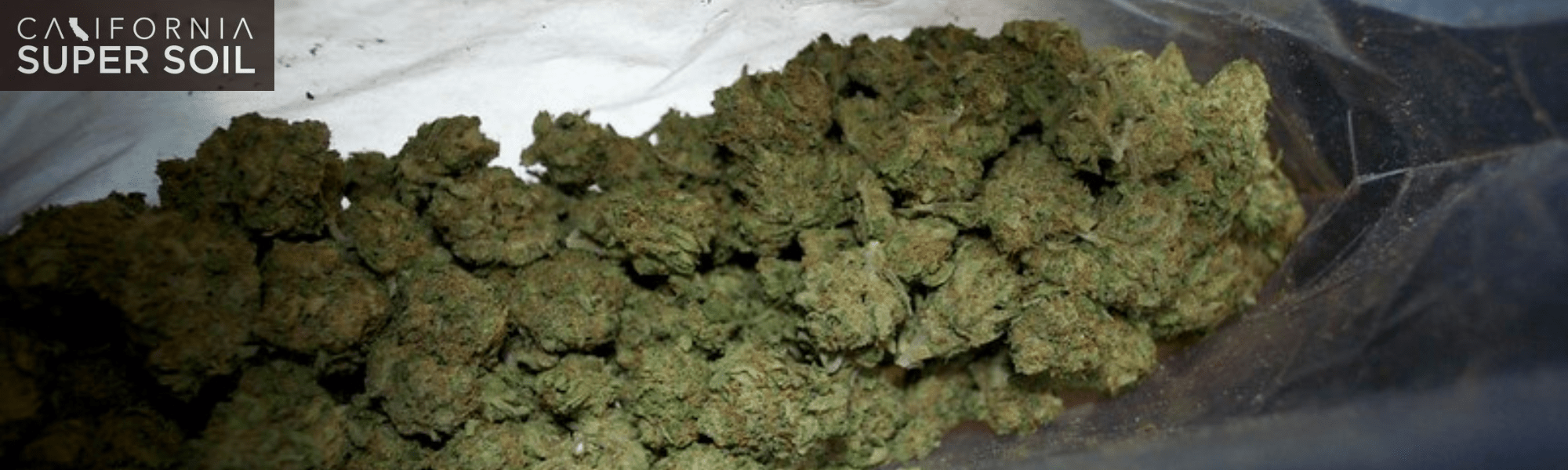
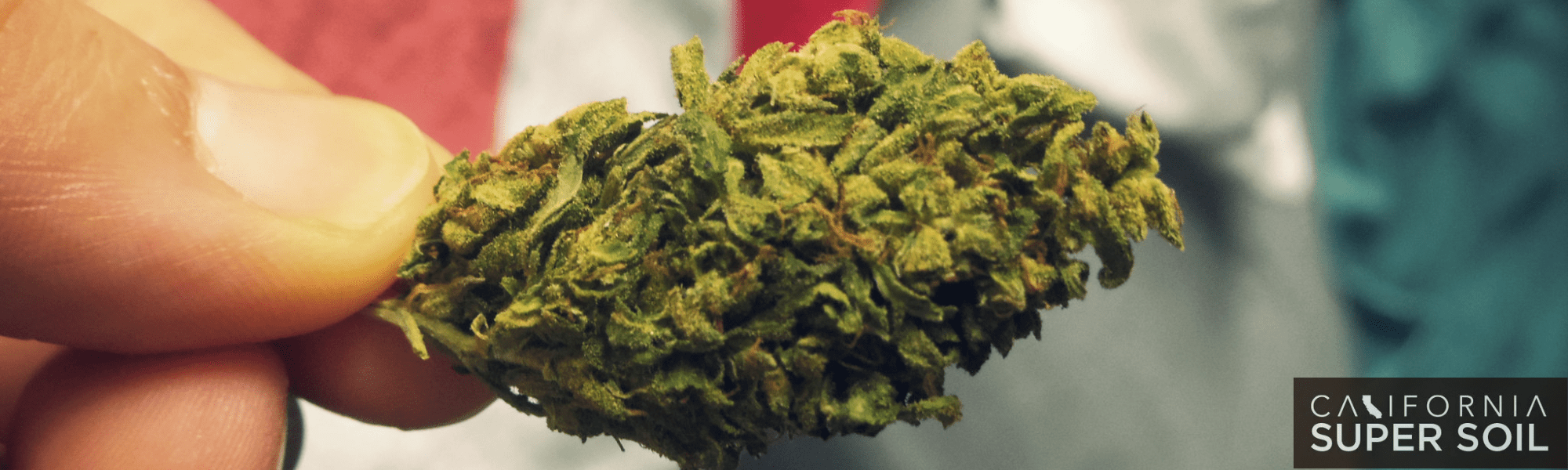
These are the traits that will help you recognize if the marijuana strain you are buying is good or not. The cannabis should look and feel fresh and pleasant. Their density must be according to their strain, e.g., dense, fluffy, or between. The strains should be moderate and dry. 

Are All Weed Strains Suitable for Indoor Growing?  

With more people living in small and closed spaces, not having lawns, gardens, or backyards, there is a shift in growing plants from outdoors to indoors. Cannabis can be grown indoors, too. Although most types can be grown indoors, some are best cultivated indoors. Following are the strains that you should consider growing indoors for the best yield: 

  • Zkittlez 
  • Blue Dream 
  • OG Kush 
  • Banana Kush 

Best Strains to Grow Indoors for Beginners 

Choosing the right equipment, the best space and the strains can be overwhelming for a beginner grower. But you can also take advantage of expert advice and the suitable beginner’s kit here. Once you have all you need, consider the following high-yielding marijuana strains to cultivate as a beginner: 

1. Blue Dream 

Blue Dream is the most accessible strain to grow for beginners, as it does not require much attention. Also, it has a short flowering time, so it grows quickly. It is a hybrid of blueberry and haze, grows tall, and provides high yield.  

2. Harlequin 

It is more potent than Blue Dream in its CBD-THC ratio. It is beginner-friendly to grow. It can be grown in soil or water (hydroponically). It has calming and euphoric effects.  

3. Grandaddy Purple (GDP) 

Grandaddy Purple is as popular as Sweet Indica. If you are a beginner, either using or growing it, this is the best strain to start with. It requires attention and care for environmental control but is beginner-friendly in many ways.

Also, check out our soil for weed production
Best Feminized Strains to Grow Indoors

Best Feminized Strains to Grow Indoors 

Feminized strains are beneficial as they are genetically engineered, and every plant will produce buds. They are easier to grow. They save you time and space as you will not have to grow male plants.

These strains usually depend on light, so you must adjust the duration of the lighting cycle indoors, as there will be no sunlight. Many strains come in feminized variants. Below are some of the best to grow inside the house: 

  • Purple Kush 
  • White Widow 
  • Wedding Crasher 
  • Northern Lights 

Best Sativas to Grow

Sativa strains are very effective in their use. They are tricky to cultivate indoors because of their growing height; they are tall. So, you need to be careful while choosing its strains. The following strains of sativa  are best to be grown indoors: 

  • TrainWreck 
  • Ak-47 
  • Maui Wowie  

Best Indicas to Grow 

Indicas are shorter in height than sativa strains; thus, they are good to start indoors. They also take less space, usually have short flowering periods, and yield high. The following variants should be considered to grow: 

  • Papaya 
  • Blue cheese 

Best High Yields Strains to Harvest Indoors 

Some strains provide better and higher yields when grown indoors instead of outdoors because of better environmental conditions: temperature, humidity, light, and air. Some of them finish their growth quickly and thus minimize the effort. The following strains should be considered for high yield: 

  • Royal Skywalker 
  • Blue Dream 
  • Lemon Shining Silver Haze 
  • Gorilla Glue 
  • White Widow 

Check out our Nutrient Shot for plant growth

Wrap Up

Growing marijuana indoors goes beyond just choosing strains; you also need to have a proper setup, grow kit, and supplies. We provide you with the best-personalized kits with six months of support. You must invest appropriate time and energy in cultivating for a successful yield. We are here to help you with your queries. Get your kit today and start your journey with us!

Understanding Cannabis Bud Rot: Causes and Prevention

Cannabis Bud Rot

In every indoor and outdoor growing medium, bud rot (botrytis) affects the buds of plants with the help of fungus.

It blocks the transmission of useful nutrients to your plants. Due to lack of nutrients and water, it ruins the entire plant.

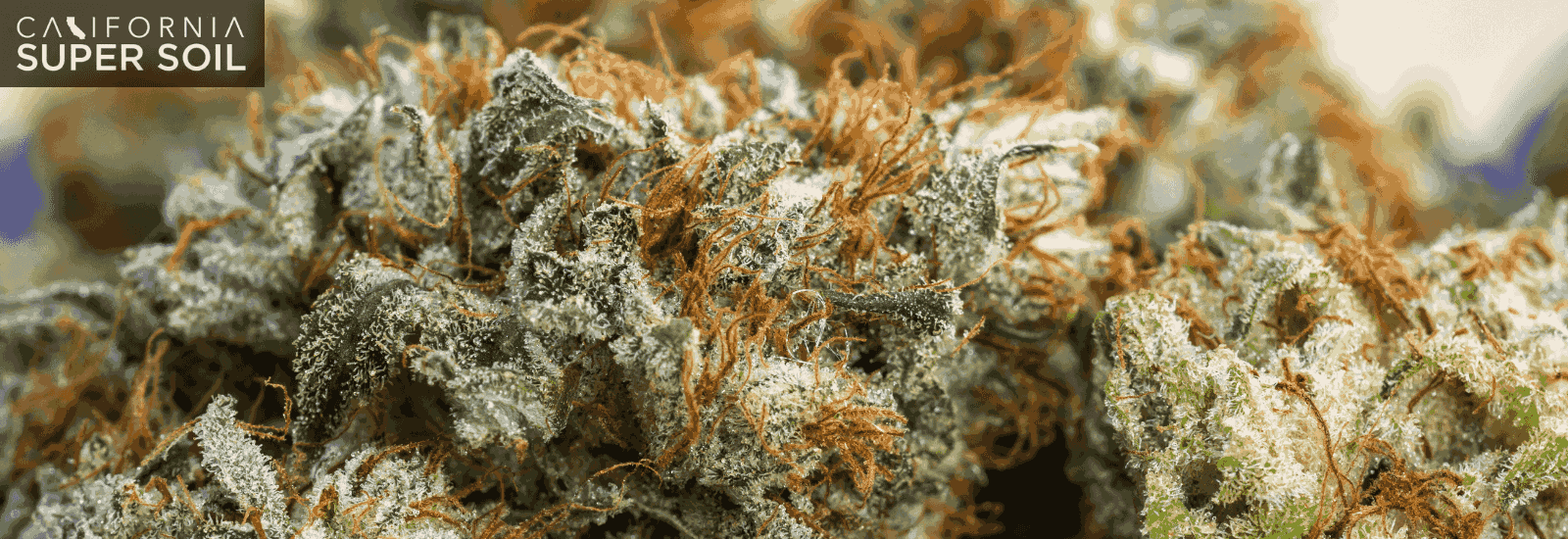
The stem of a plant bud is the initial part of this fungus. This becomes difficult to identify in the first stage. The bud bot shows a white colour for the first time, then turns gray and black in the end.

It can be prevented if we take care of it in the beginning stage. And if the rot spreads, it can be recovered. In this blog, you will get to learn about bud rots, their symptoms, causes and preventions.

Appearance of Bud Root (Symptoms)

It is very difficult to disclose rot in the initial phase. In the first stage, the stem of the plant displays fungus that expands to different parts. Sometimes, detecting the rot at the initial stage becomes difficult, and then it is too late to be aware. You have to identify the cracks in the bud at the fungus area.

Gray patches or yellow leaf signs will be seen then. After these signs, you will see a spider web-like shape in white colour. A mod will appear in the buds’ centre due to less airflow.

After this, you can detect white spores on your plant. If the plant leaves show brown or black dots, it curls them.

Following are the rot symptoms:

  • Stems in Gray, Mushy Colouration
  • Yellow Leaves
  • Curled Leaves
  • Leaves with Spots
  • Fungus
  • Brown Buds
  • Black Spots

Remember! Always move the plants carefully to another place for quarantine because they are very sensitive. The rot can easily be moved through the air to other plants. Furthermore, while planting a new plant, always check whether its seedlings are suitable for planting.

Causes

The biggest impact on rots is due to humidity at high levels. Usually, a humidity level of 40-60% is required as a suitable condition to avoid rot. Cannabis plants need proper air ventilation for the best growth. In poor air, the chance of rot will be higher. Indoor growing setups always prove to be best for these conditions.

Remember! You can apply different tools to verify the humidity levels of different conditions.

Other causes of rot in plant buds are as follows:

  • Optimum Temperature
  • Thick Plants
  • Bud Plants in Large Size
  • High-Level Humidity
  • Grow Areas with Insufficient HVAC

Managing humidity levels to prevent rot is difficult in the outer setting. Because it is impossible to control dew and rain, which makes day and night saturated.

Reason for Buds Molding

Reason for Buds Molding

All the cannabis plants grow gradually in indoor and outdoor conditions. Initially, the bud grows outwardly from the stem. In the first stage, rot is not visible, but with time, it darkens and molds the buds. This is the high time you can pull out contaminated parts of your plants.

Are the Rots Dangerous for Humans?

Yes, it is dangerous for humans to some extent. If a human is fully exposed to any condition with mild rot in buds, it can have major side effects. But it is also possible to handle the conditions to prevent fungus from the plant.

Can We Smoke the Rot?

It is often believed that rot has no major side effects on human health. But the advisors say it is better to avoid. It is not risky stuff for healthy people, but it can be unbearable for them. Here are some common symptoms shown after rot infection:

  • Vomiting
  • Irritating Taste
  • Coughing
  • Nausea
  • Confusion
  • Fatigue

Here are some severe symptoms shown by people with weak immune systems:

  • Sinus Headache
  • Lungs Inflammation
  • Sinusitis
  • Lungs Wheezing

Are Bud Rots Contagious?

The rots are like an epidemic, which takes no time to spread. The transformation of spores to Airborne grows rot.

Initial Symptom of Bud Rots

If you catch gray or dark dots in the plant stem with rot on its outward, this is the initial sign of rot.

Can We Save the Buds?

Quarantine is the best option to save buds from rot when you move the plant in a controlled environment.

How to Prevent from Mold on Bud?

After quarantine, the best option for preventing mold on buds is using Neem oil (hydrogen peroxide). This is considered to be the safest way.

End Molding in Grow Room

How to End Molding in Grow Room?

The measures to end molding in grow areas are as follows:

  • Isolation of mold crop
  • Keep food and drinks away from the growing area.  
  • Keep the temperature high
  • Trim lower leaves for better air ventilation
  • Shake the plants to remove excessive moisture
  • Keep checks on plants daily

How to Prevent Drying Buds Mold?

Only a few methods are available to prevent mold on drying buds. Here are some suggestions:

  • Check humidity levels
  • Use LED Lights
  • Air Circulation

How to Avoid Curing Buds Mold?

The following are the best ways to prevent mold on curing buds:

  • Clean Jars
  • Keep checks on buds
  • Jars Burping Regularly

Wrap Up

We have shared a very clear understanding of bud rots regarding their symptoms and causes. With the help of this information, it will be very easy for you to cultivate marijuana in any condition.

Follow all the guidelines and grow the best of your choice!

How to Flush Plants Without Overwatering: Easy Guide

How To Flush Plants Without Overwatering

Plant lovers should never miss this article because it will help your plants grow and glow well. You care about the plants in your home or garden, but sometimes overcaring becomes a curse.

If you are watering your plants, that is perfect. But there exists a common blunder you often do. You flush the plants with excessive amounts of water, which impacts productivity. This overhydration proves to be dangerous for the fine roots of the plant. It makes the soil soft, wet, and useless.

Counting the exact and suitable amount of water for plants is challenging. The correct amount of watering to plants is a major problem gardeners face. We can get to know the nature of this challenge by understanding the nature of plants, spending time with them as friends, and noticing every change in appearance with time.

But there is much more to do for balanced watering to help plants grow. In this article, we will guide you about how much water you should flush and how to flush plants without overwatering.

Understanding Flush Watering of Plants

Flush watering is a simple phenomenon that refers to watering plants with adequate water to avoid excessive moisture. The flushing technique helps plants with an appropriate amount of nutrients. It also assists the soil in the saturation process to let water reach the roots easily.

All the useless nutrients are diluted with the help of flush watering. All the fungal and hydrophobic plants get healthy with this technique. Furthermore, it removes the large amount of excess salts and prevents any harm.

The flushing technique also prevents toxicity and grooms stems, leaves, and branches in healthy form. Otherwise, it causes curling and yellowing of plants.

Steps to Flush Plants

Steps to Flush Plants Without Overwatering

Following are the steps on how to flush cannabis plants without overwatering:

Step 1: Prepare the Material

Fill clean water in the watering can or jug with a flow setup at room temperature. For excess water, take a tray.

Remember! Do not flush the water directly from the tap because it causes overwatering.

Step 2: Set a Proper Location

Choose an appropriate space where excessive water flow is smooth. You can use a bathtub, sink, or any outdoor location for easy water drainage.

Remember! Select a suitable location with a large space for a comfortable water flow.

Step 3: Moderate Watering

Start watering your cannabis plant slowly for flushing purposes. You can fill your can with clean water with two to three times the capacity. Now, pour water into the soil until it fills the pot from the bottom.

Remember! If you water the plant 3-5 times, it can be good at the start.

Step 4: Rest and Repeat

Remember! Rest is mandatory for plants. Take a minimum 30-minute break to help the soil saturate moisture.

Excessive nutrients and salts will be removed when the soil is completely saturated. This will indicate that the procedure is going in the right direction.

Initiate the watering process again.

Step 5: Analyze the pH Levels

Keep constantly check on the pH levels of the water. Mostly, 6 to 6.5 is the range that is sufficient for water. If you have any high or low levels concerning this pH, it proves that the pH of the soil is not balanced. Then, you can repeat the water flushing process to set the optimum pH.

Step 6: Excessive Water Drainage

Drain out the excessive water and collect it in the tray after the watering for the second time. Drain the water carefully to save your plant from aeration, avoiding damage. This will help the soil hydration in a better way.

Step 7: Observe the Plant Behavior

Observe the condition of the cannabis plant after flushing. Your growing medium was optimized if your plant looks healthy and its growth is improved. But if it shows yellowish leaves or curls, you must repeat the watering accordingly.

Tips to Follow for Post-Flushing Care

Tips to Follow for Post-Flushing Care

After the completion of the flushing flower or plant process, regular care of the plant is necessary. Post-flushing care is effective for the future health and well-being of the plant.

Following are care tips to maintain the plant’s health after water flushing:

  • Adjust Proper Light
  • Set Ventilation System
  • Manage Humidity
  • Optimum Airflow
  • Monitor Moisture Levels
  • Monitor Soil
  • Watering Method
  • Evaluate pH Levels
  • Observe Plant Health

When to Prevent Flushing Plants?

There are some times when you must avoid flushing flowers or plants. It is an important decision to protect your plant from harm.

Here are the conditions when you have to be careful:

  • Resting Stage
  • Stress Stage
  • Dry Soil
  • Halophytic Plants
  • Water Sensitive Plants
  • Dry Conditions
  • Hypersensitive Plants

Wrap Up

Flushing plants is probably the best technique to keep your flowers or plants safe from saturated salts and excessive nutrients. This method not only absorbs required nutrients but also fosters plant health.

This article will help you easily understand flushing flowers or plants without overwatering. Happy gardening!

How to Clone Autoflower Plants

How to Clone Autoflower Plants

With the passage of time, cannabis production is increasing at different levels due to its unique varieties. Various techniques are implemented to increase cannabis growth and to make its clone.

Cloning cannabis has gained great attention due to its cost-effective nature. It typically costs the same as other plants. The cloning process is considered one of the easiest ways because of its unique characteristics. Cloning was recently adopted with autoflowers. Otherwise, it was previously linked with photoperiod plants.

In this article, we will share the details about the cloning method, various ways to clone autoflowers, and their pros and cons.

Autoflower Cloning

Cultivating a copy of the cannabis plant from a mother plant is known as cloning. In this process, a small part of a plant is removed and placed in a medium where it can take roots. Also, add some water during this period. After some time, it will produce the same original piece of plant.

Autoflower cloning is the quickest and most economical method to grow weed. You can get maximum replicas by cutting more parts of a plant in no time or money. The cloned plant will have the same characteristics as the parent plant.

Remember! Always clone the plant with the same characteristics. If a male plant is cloned, it will obviously produce another male plant of good quality.

This is a natural method to cultivate the weed but in a more controlled manner. The cultivation is not dependent on the light but on age.

Check out our super soils for weed production

Advantages of Cloning Autoflower

Advantages of Cloning Autoflower

Here are the reasons why you should go for cloning weed:

1. Cost Effective

You do not have to spend money on the continuous growth of plants. You can produce an unlimited number of plants through cloning without any cost.

2. Time Efficient

You can cultivate a large number of autoflowers in a short time. The cloning process may take up to 2-7 days. It becomes easy for growers because they make no effort for seed growth and selection.

3. Controllable

If you are capable of growing autoflower with all the qualities that you want, then what’s more you want? The autoflower cloning provides you the complete authority over plant growth to meet your specific needs.

Best plant management ever!

4. Sustainable

You can save the characteristics of a plant you cloned. It can be used next for more cloning. It also serves as a time and money saver for you.

5. Quality Focused

The plants produced from cloning are of high quality and mature. They are less exposed to different diseases.

Disadvantages of Cloning Autoflower

Here are a few challenges you can face while replicating autoflower:

1. Genetic Uncertainty

You can face the issue of genetic instability while replicating the autoflower plant. Sometimes, plants are more exposed to bacteria, and they degrade the gender quality. So, always keep a constant check on the cultivation process.

2. Less Production

Sometimes, plants are grown in low quantities because the seeds do not have a firm base. Cloning may lower the yielding process.

3. Restricted Experimentation

You can do any experiment while cloning because the exact piece of plant is needed for it. This is not the same case as with seeds, where you can apply variations.

How Can Autoflower Plants Be Cloned

How Can Autoflower Plants Be Cloned?

Here are the five steps to clone the autoflowering plants:

Step 1: Choose Mother Plant

The first step is to cut a piece from the parent plant. This plant should be comprised of all those characteristics that you want to produce. This selection period is the most essential step of cloning.

Step 2: Arrange the Equipment

Next, arrange the required apparatus, such as trays, gel, and mediums, to grow the plant.

Step 3: Plant Cuttings

Now by using a clean apparatus, take the cuttings from the parent plant. The cuttings must have nodes and be taken from the bottom of the plant.

Step 4: Rooting

Next, dip the cutting side of the plant into the hormonal roots. Then, place it in a suitable condition.

Step 5: Transplantation

The cuttings will produce a mature and healthy root under optimum humidity and temperature. In the end, transplant the root into the soil medium. Now, it is the best time to put clones outside.

Check out our Nutrient Shot for plant growth

Wrap Up

Hope you now have a complete understanding that you can clone autoflower. Although it is a result-oriented way of growing. But this is not yet widely spread.

However, all climates are suitable for growing autoflower. That is why growers always look forward to cultivating it.

If you want success in copying autoflowering plants, always focus on timeliness, care, and diversity of genes. When cloning is done properly, it can be proven to be the most efficient method of cultivation.

Happy cloning!

How to Grow Hydroponic Weed?

Over the years, the cannabis industry has evolved by focusing on the concept of highest quality and affordable price weed. Gone are the days of using simple weeds of potent strains worldwide. Several companies have started cultivating weeds hydroponically rather than outdoors growing weeds.

With the development of hydroponic cultivation methods, many questions arose: How can it be grown? Whether to grow it outdoors or hydroponically? Is it healthier than conventional weed? And what does it cost?

In this article, we will guide you through everything about weed.

What is Hydroponic Weed?

Hydroponics were first cultivated in Babylon’s Hanging Gardens in 600 BC. Compared to soil-based plants, the cultivation method of hydroponics is referred to as the most efficient method.

This weed is a Latin terminology that means “working water.” This cannabis is cultivated with the help of water and other nutrients. The water and nutrients directly affect the cannabis roots using this method. On the other hand, soil-based gardens get water and nutrients through the soil. This saves time in finding the soil and results in the healthy growth of plants.

This nutrient-rich method uses various sources such as water, sand, or graves. More nutrients and oxygen consumption allow the growers full control of the process. The soil-less cultivation method keeps the bacteria away, leading to more speedy growth.

If you have free time and a good budget, go for this magical potent!

Check out our soil for weed plant production

Needs for Hydroponic Growing

Needs for Hydroponic Growing

Following is the material needed for hydroponic growing:

  • Plant Seeds
  • Containers
  • Water Pump
  • Nutrients
  • Grow Lights
  • Coco Coir

Tips to Grow Hydroponic Weed

Here are a few tips for better hydro flowering:

  • Sterilize your apparatus
  • Regulate the flow of air
  • The ideal pH level of water
  • Maintain optimum oxygen and temperature levels
  • Maintain humidity levels
  • Monitoring of proper light

Best Techniques to Grow Hydroponic Weed

Best Techniques to Grow Hydroponic Weed

Here are a few techniques to grow hydroponic weed:

1. Drip System

The drip system is best for you if you are growing the weed for the first time. This technique is easy to handle and monitor. This gives you easy control of water and nutrients given to the plants.

In this technique, nutrients are delivered to the plants through the water jet of every plant. A time-controlled pump or tube is used in the whole process. With the help of a recovery system, the excessive solution is moved to a reservoir.

During the process, complete surveillance is needed to constantly check the pH levels of nutrients. This will allow the plant to grow and bloom better.

2. Wick System

If you are a beginner looking for hydro flowering on a small scale, the wick system is the easiest and simplest technique. This system collapses in the case of bigger plants because they absorb the nutrients so quickly. On the other hand, small growers may find it easy to grow the plant by maintaining the optimum oxygen levels.

In this technique, plants absorb nutrients with the help of a tray (wick) made of yarn or cotton. This allows nutrients and water to reach the plant’s roots for faster growth. The tray should be long enough to contact the plant’s roots for a smooth process.

3. Ebb and Flow System

The ebb and flow involves flooding and draining systems. This system is highly dependent on time management for proper nutrient distribution.

In this technique, a growing tray is filled with nutrients and oxygen. It allows plants to get exposed to a complete nutrient solution. After that, the nutrient solution is drained into the reservoir.

Remember! Set a timer of 30 minutes to avoid hydroponic pot flooding with solution. Always monitor the apparatus, such as the pump, to control the operation.

4. Nutrient Film System

The nutrient film system is more authentic than the Ebb and Flow System as it uses fewer nutrients. It can be a complicated system but more efficient simultaneously due to its consistent flow.

In this technique, plant roots are incorporated completely in the water. This allows nutrient solution to be placed in the roots according to requirement.

Remember! Always constantly check the oxygen and temperature levels for better growth.

5. Deep Water Culture System


A deep water culture system is one of the simplest techniques for hydroponic plants. For beginners, this system can be low cost, but it can be time-consuming.

This technique places a pot containing plants in a water-filled hydroponic pot. Then, the nutrient solution is added, and plants are constantly submerged.

Check out our pots for plant cultivation

Remember! Always make sure the plant roots are completely getting oxygen after submerging.

Wrap Up

In the legal world of cannabis, this weed is going to be the next big thing. This is probably the best and fastest way to grow the highest quality cannabis. This weed is a blessing for the people of those regions where the climate is not suitable for cannabis planting. As it requires only a few materials for its growth.

Embark on your hydroponic journey now!

How to Grow Magic Mushrooms: Step-by-Step Guide

How to Grow Magic Mushrooms

Many people are catched up in curiosity about amazing experiences and the healing advantages of magic mushrooms. The mushroom industry is valued at up to $50 billion, with all varieties, from dried mushroom powders and coffee alternatives to documentaries. Some varieties of mushrooms are considered boosters for brain health and the immune system. They function to lower the risk of cancer.

The whole thing seems very intimidating to those seeking to explore the world of mushrooms. They might be eager to know how I can grow magic mushrooms.

One essential aspect to remember is that If you live in an area where you are legally allowed for magic mushroom cultivation.

Note: We do not encourage any activity in those areas where it may be legally disallowed.

Focusing on the advice to amplify safety to reduce harm, we will guide you through a step-by-step on how to grow magic mushrooms securely and efficiently within legal jurisdictions.

Key Parameters to Grow Magic Mushrooms

Key Parameters to Grow Magic Mushrooms

Here are the parameters for the magic mushroom cultivation:

1. Lighting

Natural light with optimum quantity is important for magic mushroom growth. Even artificial light sources, such as LED or radiant lights, can be used for cultivation.

Remember! They should never be given the light directly.

The light only impacts their production and development. Light only influences its growth patterns. Mushrooms do not need light for energy purposes. 

If you want to grow them at home, leave your curtains open and place the mushrooms in front of the window under sunlight.

2. Temperature

Another important point to grow mushrooms is temperature. Mushrooms usually grow between 21 and 24°C (70 and 75°F). If mushrooms grow below 21°C, their development procedure will get slower. Ultimately, less number of mushrooms will be cultivated. You may also use a heater or cooling fan to optimize environmental conditions.

3. Humidity

Monitoring and adjusting humidity levels are essential for encouraging better mushroom growth. Humidity should be maintained around 70% by using a small greenhouse spreader. You can have robust mushroom growth by maintaining the quantity of water and using a humidifier mister.

4. Hygiene

Mushrooms are very sensitive, and they need a clean environment for cultivation. That is why you should never touch them with naked hands; rather, use latex gloves. You can also use a face mask, if possible.

Always use sterile apparatus and ingredients. To disinfect the equipment, you can use a pressure cooker.

Magic Mushroom Cultivation

Magic Mushroom Cultivation: Easy Guide

Here is an easy guide to growing magic mushrooms:

1. Research

Start conducting research on the procedure before the cultivation process. You can focus on reliable and authentic sources or consult online journals, interviews, etc.

2. Strain Selection

Looking at the right ingredient needed for your mushrooms, these strains may be included:

  • Psilocybe Cubensis
  • Golden Teacher
  • Psilocybe Cyanescens

These strains are very effective and have superlative effects. Due to different levels of psilocybin, their nature impacts your experience and strength.

Remember! Depending upon the conditions for mushroom production, some strains prefer to grow outdoors while others grow indoors.

Note: Avoid using rusty brown hue mushrooms (Dried Mushrooms).

3. Substrate Preparation

Substrates are actually the source of food for mushrooms. They are a blend of water, brown rice flour, and vermiculite. This mixture provides essential nutrients for the healthy production of mycelial and psilocybin in mushrooms.

For a better cultivation process, always ensure sterilization. If any unwanted bacteria are incorporated into the mycelium of your mushroom, it will ruin your crop. You may use pasteurization (a technique invented by scientist Louis Pasteur) to kill harmful bacteria by heating them.

If you have maintained effective cleanliness in your substrate, your mushroom will grow in its best form.

4. Inoculation

Inoculation is the next step, including setting mycelium in the substrate to begin rust. Spores are microscopic mushroom cells, while mycelium is the plantlike part of the fungus, using a spore syringe or liquid culture.

The sterility of the inoculation process is essential to control every hindrance to mycelium growth. Under the required temperature and humidity, this substrate develops the best mycelium foundation.

5. Incubation

The next step is to set the substrate sterile for several weeks for mycelium to colonize. Control different factors such as temperature and humidity for healthy production of mushrooms.

Conditions include:

  • Temperature: 75-80°F
  • Humidity: 90%

Using the ventilation method, your substrate should be impurities-free for a better incubation period.

6. Fruiting Conditions

It’s time to add fruiting conditions by exposing the substrate to air, light, and humidity. This should be done by maintaining an optimum temperature and moisture level for robust mushroom cultivation.

One important point here is that you must recognize the readiness of fruit, which appears as small pinheads and primordia. You can develop healthy and quality mushrooms by achieving the best outcomes.

7. Harvesting

The harvesting process should be done only when mushrooms have not disclosed their spores and are mature. Always handle the mushrooms with care, as they are sensitive.

Remember! Avoid contamination by using clean tools

8. Drying and Storage

Store your mushrooms in a dry and cool place, away from sunlight, to maintain the quality.

Wrap Up

After following these important steps, the process of growing mushrooms will not be complicated. If you create ideal situations, You will not face any hindrances.

Growing magic mushrooms offers a chance for personal growth and therapeutic practices.

How to Use The Super Soil Autoflower Concentrate? 

How to Use The Super Soil Autoflower Concentrate

Growing plants is fun. It can be a super tiring journey at the same time. However, things may have gotten a lot more interesting with this new town soil.

Super Soil Autoflower Concentrate stands out as a specialized organic soil amendment crafted especially for the unique needs of autoflowering cannabis varieties. This magical potion comprises organic matter, essential nutrients, and beneficial microbes in a concentrated formula.

This soil is no less than a dreamy tool for seasoned cultivators. It is vital to achieving maximal growth and maximizing yields. This autoflower concentrate is a complete nutrient source for growth and development.

Let’s dive into learning about its full potential and figure out how to use it for maximizing outputs!

Understanding Autoflowering Plants

Autoflowering plants are now a familiar concept. It is a specific variety of plants that switches from the vegetative to the flowering stage on its own without requiring any light stage.

They begin flowering after approximately 2-4 weeks after the germination period, irrespective of the lighting they receive.

Do Autoflowers Do Well in Super Soil?

Autoflowers are robust plants, adaptive to various soils, but a superior quality soil concentrate can optimize their growth like no other. This concentrate, mixed with standard soil, provides essential nutrients throughout the plant’s life.

Avoid using synthetic nutrients, as natural methods are preferable for cannabis cultivation. Just as you prioritize natural ingredients in food, the same principle applies to growing cannabis

How to Make the Best Autoflowering Soil

How to Make the Best Autoflowering Soil

The success of any soil hinges on the quality and composition of its ingredients. Super soil autoflower mixture typically comprises a blend of organic materials.

Have a look at the list for the best nutrients for autoflower in soil:

Component  Quantity 
High-quality organic potting soil 6-8 bags (1 CF each)
Worm castings 2 bags (1 CF each)
Quality compost 1 bag (1-1.5 CF)
Pertile, rice hulls, or lava rock (Aeration) 2 CF
Biochar ½ CF
Bloom bat guano (High P) 120 ml
Bat guano (High N) 120 ml
Fish bone meal (N+P) 240 ml
Feather meal 120 ml
Rock phosphate 60 ml
Gypsum 120 ml
Granular humic acid (Nutrient Uptake) 30 ml
Oyster shell flour 240 ml
Neem cake (Insect Control) 120 ml

Note: All nutrient measurements in ml indicate the amount of substance to be used per 1CF of the mix.

Once you have all the required ingredients, here is the trusted process. Begin by distributing the soil evenly and giving it a good mix after adding every ingredient. Once you have added all auto flower nutrients, cover the mixture with a tarp and let it rest for 24 hours. This step, known as ‘cooking the soil,’ guarantees a thorough blend that helps support your plant.

How to Utilize the Prepared Concentrate

How to Utilize the Prepared Concentrate?

1. Preparation

If you are a beginner, work with a lesser soil quantity to avoid mistakes. Half a gallon of soil will be enough if you plan to grow a few plants for personal use.

Now select a handy container and fill it with concentrate. However, make sure you leave adequate depth for root development.

2. Watering

Before you sow the seed for germination or place the plant for growth, ensure the soil is well-moistened. This avoids any microbial growth, which could adversely affect your plant. Avoid over-watering as well, which leads to waterlogged conditions and root rot.

3. Planting

Plant your autoflower gently in the soil bed and ensure ample spacing between each. This provides proper light penetration and airflow that helps the plants grow well.

4. Light and Temperature

Even though the light stage is skipped, autoflowers directly jump onto the flowering stage from the vegetative one. However, for further growth, it requires an adequate amount of light.

Similarly, the temperature range for autoflowers varies in different phases. They grow best in 75F to 83F in the vegetative stage and 73F to 79F in their flowering phase.

5. Nutrient Management

Thanks to the nutrient-rich composition of this useful product that works even with minimal supplementation is now required in the growing stage.

Monitor nitrogen levels regularly, as excess can destroy small plants.

6. Pest and Disease Control

As mentioned above, add neem oil to avoid insecticide growth. Maintain a sanitary environment to prevent pest infections and bacterial growth.

7. Harvesting

During the flowering stage of your autoflower plants, it’s necessary to keep a close eye on the development of trichomes and the production of resin to make sure the best time for harvesting.

Benefits of Using the AutoFlower Concentrate

  • Convenience: You avoid the hassle of measuring and mixing nutrients
  • Organic: Made with all-natural ingredients so you can be sure you are not adding any harmful chemicals
  • Improved yields: Can help your plants grow bigger and stronger

Wrap Up

Soil selection is crucial to cultivating plants, especially when considering autoflowers. This concentrate offers a convenient and effective solution for giving these plants the essential nutrients for growth. Accurate use of soil will elevate your gardening process. Follow this guide to enjoy a successful yield!

1000W HPS LED Replacement – On a Budget

1000W HPS LED Replacement
LEDs are the most recent and efficient grow light choices in urban farming. Not just hobbyists, but even commercial greenhouse farms are stimulating plant growth with this ultimate spectrum. However, a 1000W LED only favors larger plants or extensive indoor gardens.  Luckily, there are several options for a 1000W LED replacement. Some gardeners might stick with traditional incandescent light bulbs, while others may pick fluorescent lights. On the other hand, many commercial growers prefer HPS lighting technology for their plants.

What is a 1000-WATT LED Light?

A 1000-watt LED is a specialized lighting system designed for commercial growth operations. Its high-intensity caters to the needs of bigger plants or more extensive indoor gardens. Moreover, these are ideal for fruiting and flowering plants.

Is It Good for Your Plants?

Yes! This powerful light is good enough for your more extensive indoor gardens. It stimulates plant growth, enhances health, and boosts yield. However, you might need to adjust its intensity at different growing phases.  Despite the goodness it offers, there are several challenges to it. Purchasing a 1000-watt LED can burn a hole in your pocket. Although regular low-power LEDs do not require an additional cooling system, this one is unusual.  Because of the high intensity, it gives off considerable heat, making it favorable only for well-ventilated gardens. Also, it draws too much electricity. Regardless, some more energy-efficient variants are also available now. Let’s check out some alternatives:

1. Traditional Incandescent Light Bulbs

It is the most ancient and least expensive technology. Despite being cheap, we do not recommend using incandescent and halogen lights. This is so because they have a high heat output, which can easily damage foliage. Also, they are the least energy efficient and do not produce the required wavelengths.

Cons

  • Outdated technology
  • In-efficient
  • Consumes more electricity
  • High heat output
Fluorescent Lights

2. Fluorescent Lights

Preferred by hobbyists and beginner gardeners, these lights create a soothing growing environment for your vegetables and herbs. It is an effective cost-saving solution that favors small growth setups. Bestowing your plants with a balanced light spectrum is ideal for seedlings, clones, and plants with low light requirements.  Also, they consume less electricity and give off less heat than traditional incandescent bulbs. Fluorescent grow lights are classified into two major types:

1. Fluorescent Tubes

Tube-style lights come in a variety of intensities and forms. Among all, T5 is the most popular choice for home gardeners. It is a set of multiple bulbs placed parallel to each other in a single panel.

2. Compact Fluorescent Lights (CFLs)

Besides beginners, many expert growers are turning to CFLs instead of expensive grow light systems. These short, twisty bulbs are available in various shapes, wattage, and sizes. As they emit less heat, placing them closer to the plants would not damage them. Unlike tube-style fluorescent bulbs, the CFLs can be fitted to conventional power outlets. 

Cons

  • Requires ballast, stand, and reflectors
  • The whole setup can be expensive
  • Not as strong as LEDs and HPS

3. High-Pressure Sodium (HPS)

Overtaking these lights, the HPS setup is a high-power lighting system commonly used by commercial growers. The setup is designed to cover a vast area. However, these powerful bulbs generate massive heat, requiring proper ventilation.

Cons

  • Complicated set up
  • Not suitable for hobbyists and beginner gardeners
  • High setup costs

4. Light-emitting Diodes (LED)

LEDs dominate the grow light category with over 60% light efficiency. These are the most energy-efficient of all, with a better life span. What sets LEDs apart is their discernible unique advantages. The lights are more focused and have specific wavelengths. Also, their built-in cooling system eliminates the hassle of ventilation and frequent checking. 

Cons

  • Harmful to human eyes
  • Costly than CFLs
Incandescent Vs. Fluorescent Vs. HPS Vs. LED Lights

Incandescent Vs. Fluorescent Vs. HPS Vs. LED Lights

Incandescent Fluorescent HPS LED
Life span  750 to 100 hours 10,000 hours 24,000 hours 50,000 hours
Spectrum Narrow Broad Broad Narrow and broad
Efficiency  Low Medium Medium Very high
Heat output High Less Very high Almost zero
Energy consumption  Medium Medium Highest Lowest
Operational  cost High Medium Very high Lowest

Wrap Up

For commercial setups, nothing works better than a 1000W LED system. With adequate ventilation and cooling, this intense lightning system can provide an optimal growing environment for your plants. However, novices and hobbyists can consider some low-wattage grow lights and other listed alternatives. Which one did you like the most? Let us know in the comments below!

Can Compact Fluorescent Lights Be Used For Growing Plants?

Can Compact Fluorescent Lights Be Used For Growing Plants

Imitating the art of nature, grow lights are a true blessing for indoor plants. These are adequate substitutes for natural sunlight that help plants in photosynthesis. As plants depict versatility when it comes to their sunlight requirements, an adaptable technology can help your house plants grow and flourish efficiently.

Yes, compact fluorescent lights can be used for growing plants! These lights are one of the most cost-effective options, favoring a wide variety of plants. With optimum energy efficiency, CFLs give off soft and pleasant light. Their easy availability and simple operation make them a preferable choice among hobbyists and beginner gardeners.

What are Compact Fluorescent Lights?

Among incandescent bulbs, CFLs, and LED bulbs; the CFLs emerge as the first choices for small gardening setups.
They are an upgrade of the classic incandescent lamps. These give off less heat, take less wattage, and last longer than their predecessors.

These inexpensive lights come in a variety of shapes and sizes. On top of that, CFLs are easy to mount and do not require any professional assistance.

The Science Behind CFL Bulbs

They operate with the help of compact folded tubes that contain argon and mercury. When the current runs through the ballast system, these gasses excite and react, emitting ultraviolet light. The internal part of the bulb is coated with a special fluorescent paint, which absorbs the UV light, giving off soft and cool white light.

Fluorescent Lights Advantages and Disadvantages Advantages and Disadvantages
Let’s compare!

Advantages  Disadvantages
1. Inexpensive Incorporates hazardous content
2. Easy to mount Requires special disposal
3. Highly energy efficient Takes about thirty seconds to three minutes to achieve maximum brightness
4. Longer life span Multiple bulbs are needed to achieve the desired light intensity
5. Widely available If the bulb breaks, the small amount of released mercury can be dangerous to health.

Types Of CFL Bulbs

Every plant has a unique light and temperature requirement in the entire growing cycle. On the basis of color temperature, these bulbs have been classified into two major types:

  1. Soft White
  2. Daylight

However, a combination of both variants can create an ideal light spectrum for your indoor garden.

Daylight (5000K-6500K)

Plants require more heat and light at the beginning phase. In the vegetative period, a plant is growing at its maximum speed, proceeding quickly towards the flowering stage.

The daylight bulbs give out the most heat. Hence, the system helps in strengthening the stems, leading to a stronger and healthier plant. It is better to place your plants close enough to the light source at the vegetative phase.

Cool White, Bright White (3500-4100K)

These middle-range bulbs do not complement any of the growing stages. Their intensity is less for the vegetative phase and higher for the flowering stage. However, you can add 1-2 of them in your light spectrum.

Warm White, Soft White (2700-3000K)

The flowering phase is the most beautiful and delicate of all. Therefore, you must compliment your flowering plants with this soothing and warm range.

How to Use Compact Fluorescent Lights for Growing Plants

How to Use Compact Fluorescent Lights for Growing Plants

Encouraging blooming, CFLs have been assisting home gardeners for decades. These supplemental lights provide a precise wavelength and secure the plants from seasonal damage.
Using CFLs is simpler than you think!

1. Choose Location

Although CFLs are an adequate substitute, your plants still need a little bit of natural sunlight. Hence, place your plants near a window or a place that receives some sunlight daily.

2. Select Your Plants

Each plant has a different daily light integral. For a year-round blooming experience, select plants with low light requirements.

3. Place the CFL Bulbs

You may need a couple of CFLs to achieve the desired intensity. “Cool White” versions work best. Place the CFLs in adjustable fixtures. As they emit less heat, placing them too close would not damage your plants. Also, using a reflector will help you in achieving optimum focus.

4. Adjust The Light

Ensure that each leaf of every plant is enlightened. For best results, the CFL grow lights should be only 2 to 6 inches away. As the plants start growing, they will eventually reach the light source. However, it is essential to maintain some distance to secure your plants from damage.
Note: If the leaves start burning or turn brown, increase the distance!

5. Set the Timer

The artificial growing environment must not disturb the biological clock of your plants. Therefore, set a timer and operate the lights at the same time every day.
In the case of low-light plants, set the timer for eight hours or more. On the other hand, plants with high-light requirements must get about eighteen hours of artificial light.

6. Monitor Your Plants

Inspect your delicate buddies regularly. You can increase or decrease the timings, distance, and intensity accordingly.

Wrap Up

Creating your spectrum sounds attractive. Doesn’t it? However, it can be a headache for beginners.

Luckily, the CFL fixtures also come pre-assembled with the right combination of CFL bulbs to save time and effort. What are you waiting for? Shop for the best one and bring out the gardening beast!

5 Best Sativa Strains of 2024

5 Best Sativa Strains of 2024 for Uplifting Energy and Creativity

In the unique and vast universe of cannabis, sativa strains owe some dynamic qualities with booster effects, significantly because they can stimulate physical activities and creative projects.

If you are a cannabis lover, it can help you focus your mind and calm you down.

Now, you can throw out all the unnatural material without energizing effects. Strong strains are capable of overwhelming the imagination and energizing the soul.

However, only some of these strains are grown equally. Few strains are delicious and more accessible to grow than others. The best sativa strains of 2024 are listed here. You can choose the strain of your choice.

Sativa Strains

Sativa plants originated from Central Asia. These are thin, tall, and have serrated leaves. Together with the hybrid and indica strains, sativa is one of the essential varieties of the cannabis plant.

These strains are considered more sedative and known for their uplifting and energizing effects. They commonly contain high levels of THC and lower concentrations of CBD.

5 Best Sativa Strains to Choose

The following are the best strains because of their unique characteristics and effects:

Blue Dream

1. Blue Dream

The Blue Dream is one of the most potent strains of sativa in the cannabis world, originating from California in the early 2000s. The Blue Dream strain crosses between the Super Silver Haze and Blueberry Indica. This strain is typically is made up of nearly 40% indica and 60% sativa.

Effects

This strong strain can help you manage chronic pain, depression, and anxiety. It makes you creative, relaxed, and energetic.

Smell

It has a sweet and berry-like fragrance, similar to fresh blueberries. It has a pleasant and sharp aroma that attracts the senses.

2. Fresh Powder

The Fresh Powder strain originated from two prominent cannabis strains: White Widow and Pure Power Plant. This strain is densely packed and covered in a thick layer of glittering trichomes, which looks like a fresh layer of snow.

Effects

Fresh Powder strain effects include focus, energy, and happiness. It can help you deal with fatigue, depression, and pain. Its other effects include relaxation, pain management, and appetite solutions.

Smell

Fresh Powder features flavors like diesel and sweet. It smells sour and a blend of citrus and diesel flavors at the same time to stimulate your senses.

Sour Diesel

3. Sour Diesel

Sour Diesel, also known as Sour D, originated in New York in 1990. It is categorized as a sativa-dominant strain globally. It can help with your restless mind by adding a nearly pure 90% sativa.

Effects

It offers a strong effect that delivers a spark and a boost to the mind. It is famous for its ability to stimulate and uplift. It makes you feel energetic, euphoric, and happy.

Smell

Sour Diesel smells like diesel. This strain has a powerful fuel-like smell and a citrus texture.

4. Cafe Racer

Cafe Racer is considered one of the strongest strains as it crosses between Grand Daddy Purple and Girl Scout Cookies. It gives a visually appealing appearance with its distinctive colors and crystalline trichomes. This strain gives you a dose of energy and a sign of peace.

Effects

It is also called the mood-boosting strain that helps to reduce stress and anxiety. It is distinguished by higher creativity, extreme focus, and a sense of euphoria.

Smell

This strain is an interesting combination of spicy, skunky, and diesel scents. It flavors like diesel, minty, and sweet. It is a major relief to muscular discomfort due to its potential anti-inflammatory effects.

5. Durban Poison

Durban Poison was first discovered in the South African port city of Durban in 1970. Due to its energizing and stimulating qualities, it is also named the “espresso of strains.” Sour Diesel crosses Girl Scout Cookies, Cherry Pie, etc. It is one of the most famous and affordable strains.

Effects

Durban Poison strain is a combination of spirit and creativity. It enhances your ability to focus and concentrate on mental activity. It offers a mental boost to improve your focus and minimize the negative things.

Smell

The Durban Poison aroma has a pleasant and sour fragrance. This delightful scent gives a forest vibe due to the buds’ licorice and pine scent.

Wrap Up

We have shared the most prominent strains, with diverse positive impacts such as good mood, pure energy, and sheer creativity. We ensure you get some good uplifting effects if you choose any of these strains.

If you are ready to enjoy life with mental peace, choose the strong strains now. Its hybrid model makes it easy for you to get the basic idea of the best strain. Everyone’s experience of cannabis may vary from person to person. You can start it with a small amount and gradually increase it to find your preference.

Happy growing and boosting your cannabis journey!